

Affordable Pondless Waterfall Designs: Comprehensive Cost Analysis and Installation Insights
Pondless waterfalls deliver the look and sound of flowing water with lower maintenance and fewer safety concerns than traditional ponds. This guide summarises typical costs, installation steps, key design choices, and when to hire a professional so you can plan a practical, attractive water feature that fits your budget.
Key Takeaways
- Pondless waterfalls add aesthetic value while reducing maintenance compared with ponds.
- Typical installation costs range from $3,000 to $10,000 depending on size, materials, and complexity.
- Professional installation improves durability, code compliance, and long-term performance.
- Choose durable, weather-resistant materials and the right pump to lower upkeep and operating costs.
- Recirculating systems conserve water; the absence of standing water reduces hazards for children and pets.
- Designs scale from simple DIY projects to custom, multi-level installations that raise costs.
- Labor, permits, and material choices are the main budget drivers; free local consultations help refine estimates.
Cost Overview
Expect roughly $3,000–$10,000 for a pondless waterfall. Size, material (natural stone vs. manufactured), pump capacity, and extra features such as lighting or planting determine the final price. Using a specialised landscaping team raises upfront cost but can reduce future repairs and improve longevity.
Installation Process
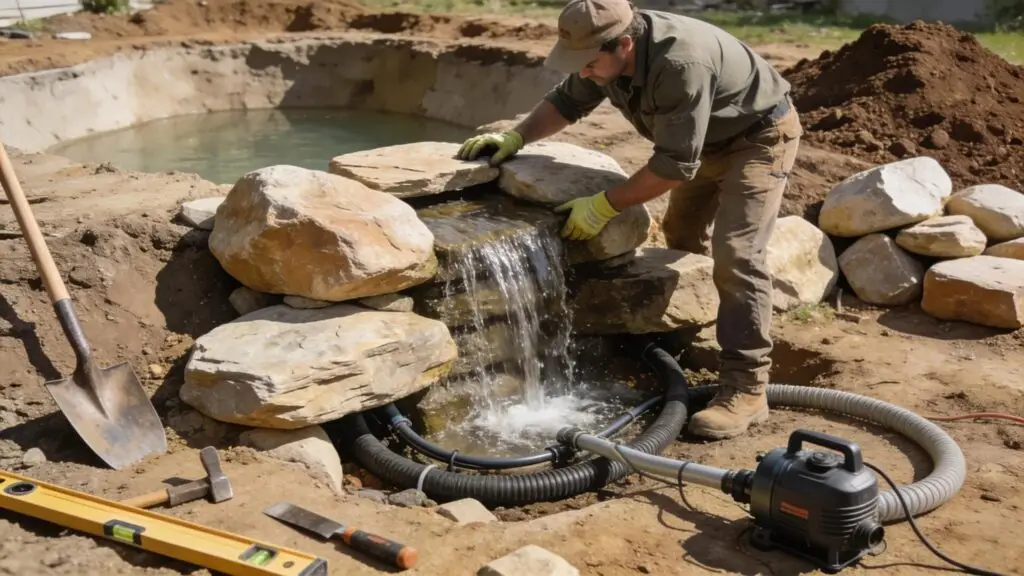
Installation typically follows three clear steps designed to produce a reliable, finished feature:
- Initial Consultation: Define the design, site constraints, and budget with a professional.
- Site Preparation: Excavate as needed, prepare a stable base, and place the hidden reservoir and plumbing.
- Pump System Setup: Install an appropriately sized pump and filter, test flow, then finish with rockwork, planting, and lighting.
Experienced installers speed the process and solve site-specific issues for a cleaner, longer-lasting result.
Best Practices for Successful Implementation
Follow these principles to improve function and reduce maintenance:
- High-Quality Materials: Use durable stone or quality manufactured alternatives and weather-rated components.
- Engagement of Professionals: Hire skilled landscapers to ensure correct plumbing, pump sizing, and code compliance.
- Lighting Integration: Add low-voltage or LED lighting to highlight water flow safely at night.
These choices preserve performance and appearance while lowering long-term costs.
Additional Insights
Pondless waterfalls are attractive because they need less routine care, use a recirculating system that conserves water, and can be tailored to fit small or large spaces. Proper planning helps match the feature to site scale and maintenance expectations.
What Are Pondless Waterfalls and Their Benefits for Your Landscape?
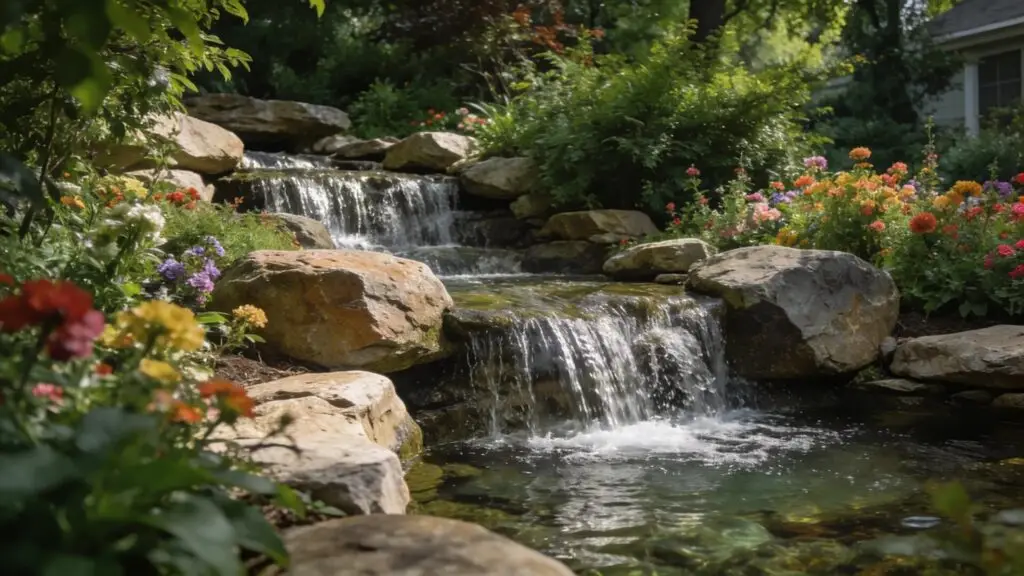
Pondless waterfalls recreate the sight and sound of waterfalls without an exposed pond. They form focal points, reduce drowning risks, and suit varied styles and budgets while offering flexible siting in gardens and patios.
How Does a Pondless Waterfall Differ from Traditional Water Features?
The key difference is no visible standing water, which lowers excavation, reduces routine maintenance, and permits compact installations. That makes pondless designs a cost-effective and practical alternative to full ponds.
What Are the Key Advantages of Installing a Pondless Waterfall?
Main advantages include lower maintenance, responsible water use via recirculation, and enhanced outdoor ambiance through sound and motion—benefits that suit busy homeowners and smaller properties.
What Factors Affect the Cost of Pondless Waterfall Installation?
Major cost drivers are material choice (natural stone vs. synthetic), labor and design complexity, excavation needs, pump capacity, and any required permits. Plan for each to create a realistic budget.
How Do Materials Like Natural Stone and Pumps Influence Project Pricing?
Natural stone typically costs more but offers unique aesthetics and durability; manufactured stone lowers upfront cost. Pump selection affects both initial expense and running costs—larger features need higher-capacity pumps and filtration, which increases price.
What Labor and Permit Costs Should Homeowners Expect in MA?
In Massachusetts, labour and permit costs vary by locality. Professional installation is recommended for compliant, durable work; check local permitting rules and obtain quotes from experienced landscapers to estimate regional costs.
Which Design Options Offer Budget-Friendly Pondless Waterfall Solutions?
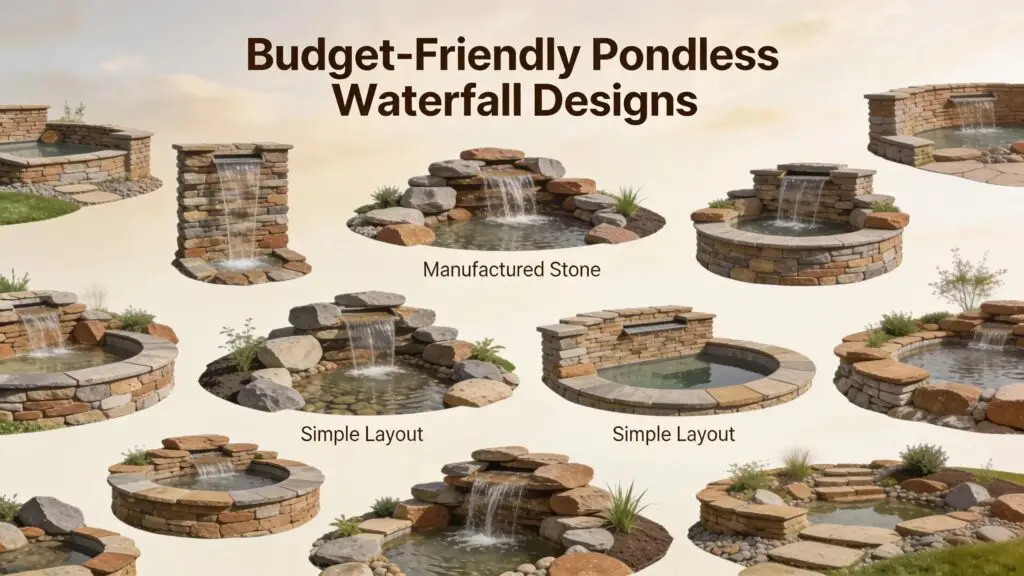
To control costs choose simple, single-level designs, lower-cost manufactured materials, and limited hardscaping. DIY installations save labour but require confidence with excavation, plumbing, and pump setup.
Why Choose Professional Installation Over DIY for Pondless Waterfalls?
Professionals offer quality assurance, better long-term value, and the skills to manage complex flows, hidden reservoirs, and electrical work—reducing the risk of leaks, poor circulation, or code issues. Cut Above Landscaping, Inc. specialises in designing and installing custom pondless waterfalls across Billerica, Burlington, and Lexington, MA. Their team handles every stage—from excavation and basin construction to pump system installation and stone placement—with precision, ensuring proper water flow, structural stability, and a finished feature that blends naturally into the surrounding landscape. With over 65 years of combined experience and certifications including ICPI and UMass Extension Turf Management, Cut Above Landscaping, Inc. brings the expertise and credentials to deliver reliable, long-lasting results.
What Are the Cost Differences Between DIY and Professional Services?
DIY lowers initial outlay but can increase long-term risk and repair costs if components are undersized or installed incorrectly. Professional work costs more up front but typically delivers longer-lasting, trouble-free results.
How Does a Free Consultation and Quote from Local Experts Add Value?
A free consultation clarifies site-specific constraints, suitable materials, and estimated costs. Experts can suggest design tweaks, accurate pump sizing, and phased approaches to match budget and desired outcomes.
Frequently Asked Questions
1. How can I maintain my pondless waterfall effectively?
Regularly inspect the pump and filter, remove debris from the reservoir, and treat algae when needed. Winterise the basin to prevent freeze damage in cold climates.
2. Are there any specific plants that work well with pondless waterfalls?
Use moisture-tolerant plants like ferns, hostas, sedges, and ornamental grasses. Native species often require less care and support local biodiversity.
3. Can pondless waterfalls be installed in small spaces?
Yes. Compact, well-designed pondless waterfalls deliver sound and visual interest while fitting into patios, narrow gardens, and small yards.
4. What is the best time of year to install a pondless waterfall?
Spring or fall are ideal because moderate weather eases excavation and construction and lets you enjoy planting and finishing work during the growing season.
5. How does the water recirculation system work in a pondless waterfall?
A hidden reservoir stores water while a pump sends filtered water to the top; it flows down the falls and returns to the reservoir in a closed-loop system that conserves water.
6. Are there any safety measures to consider with pondless waterfalls?
Even without standing water, remove sharp hazards, use non-slip materials where people walk, and define the area with planting or boulders to discourage unsupervised access.
7. Can I customize the design of my pondless waterfall?
Yes. Stone types, shapes, colour, lighting, and plantings can all be tailored. Local professionals can help translate style preferences into a functional design.
Conclusion
Pondless waterfalls are a practical, attractive landscape feature that balance aesthetic impact with lower maintenance and water use. Plan around size, materials, pump capacity, and local permits; consult local experts for tailored estimates and a successful installation.