

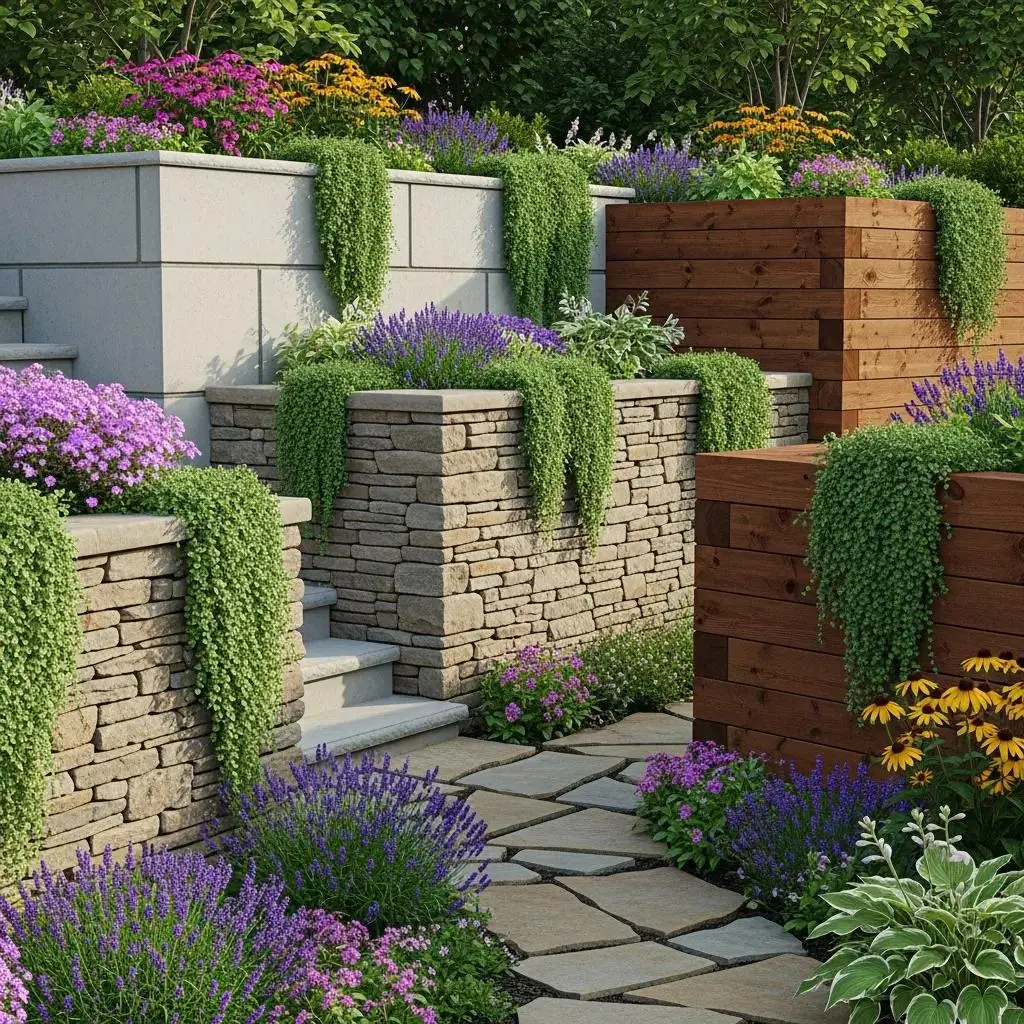
Choosing the Right Materials for Your Retaining Wall
Retaining walls play a vital role in supporting soil and enhancing the design of outdoor areas. This guide covers the main materials used, important design factors, durability considerations, and when it’s best to consult with professionals to select a solution that meets both practical needs and aesthetic goals.
Common Retaining Wall Materials
The choice of material influences the structure’s strength, appearance, and maintenance. The most popular options include concrete, stone, and timber, each offering unique advantages.
Concrete
Concrete walls are known for their strength and longevity. They require little upkeep and can be customized with various finishes and textures to create a sleek, modern look. Concrete is resistant to decay and pests, making it highly durable when properly installed.
Stone
Stone walls provide a natural and classic aesthetic, performing well in controlling erosion. Different types such as granite, limestone, and fieldstone showcase varied colors and textures that complement diverse landscaping styles.
Timber
Timber offers a warm, inviting look and is typically more cost-effective. However, it demands more regular maintenance and tends to have a shorter lifespan compared to concrete and stone. Using treated timber can help extend the durability for smaller or temporary retaining walls.
Key Design Factors
Select materials by considering climate, site conditions, desired style, and budget, as these elements impact both functionality and cost over time.
- Climate Suitability: Choose materials that withstand local weather patterns and ensure proper drainage.
- Aesthetic Compatibility: Coordinate retaining wall materials with the design of your home and landscape.
- Cost Evaluation: Account for upfront costs, installation complexity, and ongoing maintenance expenses.
For expert advice tailored to your project, Cut Above Landscaping Inc offers consultation on material selection and installation strategies.
Material Durability Overview
The durability of retaining wall materials varies significantly. Concrete and stone typically deliver long-lasting performance with minimal upkeep, while timber requires consistent treatment and monitoring.
- Concrete: Highly durable and resistant to weather effects.
- Stone: Robust but lifespan depends on stone type and craftsmanship.
- Timber: Needs preservative treatments and periodic replacement in many environments.
Specializing in resilient retaining walls, Cut Above Landscaping Inc can ensure your installation lasts for years.
Why Professional Expertise Matters
Hiring experienced professionals guarantees that your retaining wall is designed and built to handle soil pressure, drainage requirements, and local building codes, while selecting the right material for your site.
- Structural Design: Incorporates soil characteristics, load factors, and water management.
- Installation Best Practices: Proper compaction and construction methods enhance longevity.
- Maintenance Guidance: Experts provide schedules and tips to keep walls in good condition.
Contact Cut Above Landscaping Inc for a complimentary evaluation and personalized recommendations.
Top Retaining Wall Materials for Massachusetts
In Massachusetts, concrete, stone, and treated timber are prevalent choices. Concrete and stone offer excellent performance under the region’s climate, while treated timber is often preferred for budget-friendly smaller structures.
Stone Retaining Walls: Varieties and Advantages
Stone retaining walls can be crafted from various types, each with specific benefits:
| Stone Type | Benefits | Best Use Cases |
|---|---|---|
| Granite | Highly durable and resistant to weathering | Ideal for areas with heavy foot traffic |
| Limestone | Offers natural beauty and subtle colors | Perfect for gardens and decorative landscapes |
| Fieldstone | Unique shapes and earthy tones create rustic charm | Suited for naturalistic or informal designs |
Match the stone’s durability and aesthetic to your project requirements for best results.
Concrete Block Retaining Walls: Strength and Style
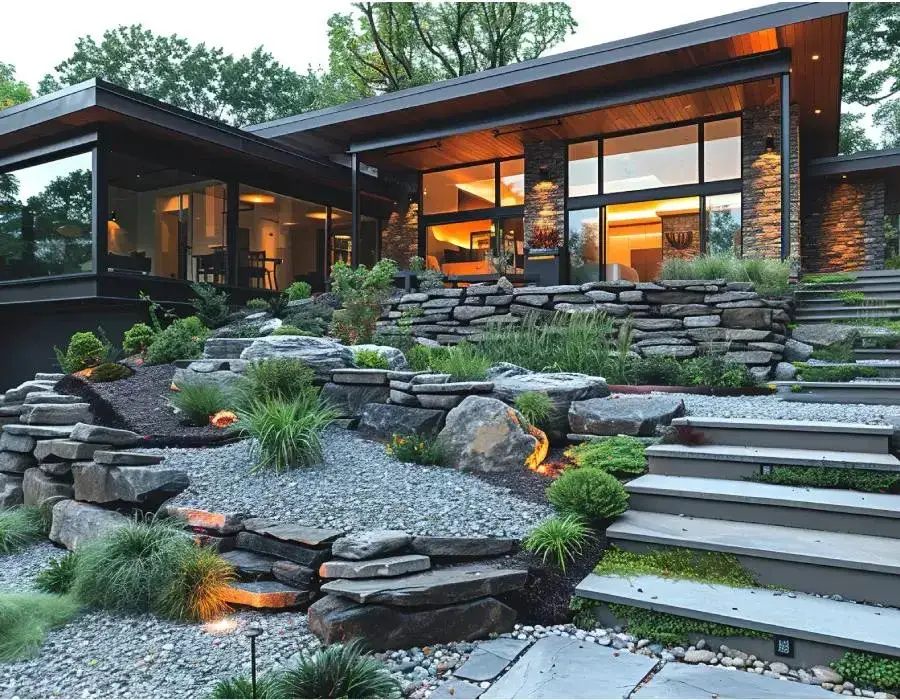
Concrete block walls provide a balance of strength and design flexibility. Options include standard blocks for straightforward builds, decorative blocks for added texture, and modular systems that simplify construction.
| Design Type | Description | Advantages |
|---|---|---|
| Standard Block | Basic, functional units | Cost-effective and reliable |
| Decorative Block | Textured or patterned finishes | Enhances visual interest |
| Modular Systems | Pre-designed blocks for ease of assembly | Speeds up installation process |
Concrete blocks offer durability while allowing various design expressions.
Impact of Material Choice on Aesthetic and Function
Your selection of retaining wall material affects texture, color palette, drainage management, and the ability to create functional outdoor levels on sloping terrain.
- Visual Enhancement: Different materials add distinct textures and shades that define your garden’s character.
- Functional Roles: Retaining walls assist with proper water runoff, prevent soil erosion, and develop usable flat spaces.
- Landscape Harmony: Choosing materials that align with existing plants and elements creates cohesive outdoor environments.
Timber Retaining Walls: Uses and Care
Timber is suitable for garden edging, small terraces, and low walls where a natural aesthetic is desirable. These walls require careful upkeep to prevent rot and insect damage.
- Typical Uses: Ideal for modest slopes and informal garden structures.
- Maintenance: Annual inspections and treatments are necessary to prolong service life.
Material Comparison: Durability and Appearance
Consider this quick overview to match your priorities with material qualities:
| Material | Durability | Visual Style |
|---|---|---|
| Concrete | Very high | Modern, versatile |
| Stone | Very high | Natural, enduring |
| Timber | Moderate | Classic, warm |
This comparison helps evaluate long-term value against initial investment and desired look.
Ensuring Proper Drainage for Stability
Good drainage is critical to prevent water pressure buildup behind retaining walls, which can lead to failure.
- Drainage Installation: Incorporate gravel backfill, perforated pipes, and weep holes as necessary.
- Site Grading: Slope the ground to divert water away from the wall.
- Ongoing Care: Regularly clear drainage pathways to maintain function and avoid blockages.
Installation Guidelines by Material
Achieving a long-lasting, stable retaining wall requires thorough preparation and professional methods.
- Prepare the Site: Remove vegetation and ensure a compacted, level foundation.
- Material Matching: Choose materials suited to the site’s exposure and anticipated loads.
- Expert Installation: Experienced contractors utilize proper drainage, reinforcement, and construction techniques.
How Costs and Permits Influence Material Selection in Massachusetts
Budget and permitting must be factored into the decision-making process. Timber is typically the least expensive upfront, whereas stone may carry higher sourcing and installation costs. Don’t overlook permit fees and inspection requirements.
- Material and Installation Costs: Assess total expenses including maintenance over the wall’s lifespan.
- Permitting Constraints: Local regulations may dictate allowable materials, wall height, and design.
- Financial Planning: Allocate funds for permits, preparation, and drainage solutions to avoid surprises.
Compliance with Local Regulations
Before building, verify municipal rules regarding retaining walls, which often address height limits, required setbacks, and environmental safeguards near waterways.
- Height Limits: Many areas require engineered plans for taller walls.
- Setback Rules: Walls may need to maintain distance from property lines or other structures.
- Environmental Protection: Projects near sensitive habitats may require additional permits.
Early consultation with local authorities and professionals helps prevent delays and ensures legal compliance.
Frequently Asked Questions
What should I consider when selecting a retaining wall material?
Take into account your local climate, drainage needs, desired look, and budget. Ensure your chosen material suits the site conditions and your maintenance preferences.
How do I ensure my retaining wall drains properly?
Incorporate gravel backfill, perforated drainage pipes, and weep holes where necessary, and grade soil to redirect water away from the wall.
What maintenance is needed for different materials?
Concrete and stone walls typically require minimal upkeep beyond routine inspection; timber walls need regular preservative treatment and checks for decay or insects.
Is it possible to build a retaining wall myself?
Small, low-height walls can often be constructed by homeowners following proper guidelines. For taller or structural walls, or projects requiring permits, professional design and installation are advised.
What common mistakes should I avoid during installation?
Avoid insufficient site preparation, poor drainage planning, and overlooking permit requirements. Proper planning and drainage are essential to prevent failure.
How do local regulations impact my retaining wall project?
Local codes may limit wall height, require setbacks, or impose environmental protections. Always check with local authorities before beginning work.
What are the benefits of modular concrete retaining wall systems?
Modular systems are engineered for faster installation, provide consistent quality, and come in styles that enhance the wall’s appearance.
Final Thoughts
Selecting the perfect retaining wall material requires balancing durability, visual appeal, and cost. Whether choosing concrete, stone, or timber, consulting with professionals for design, permitting, and installation ensures a durable and attractive outcome for your outdoor space.