


Understand Drainage System Installation for Your Home
Installing a drainage system is crucial for homeowners looking to protect their properties from water damage. A well-designed drainage system effectively manages water runoff, preventing issues such as flooding, soil erosion, and foundation damage. This article will guide you through the various types of drainage systems, the installation process, and maintenance tips to ensure optimal functionality. Additionally, we will discuss when to opt for professional installation over DIY methods and how local expertise can enhance your drainage solutions. By understanding these aspects, homeowners can make informed decisions that safeguard their properties.
What Are the Main Types of Home Drainage Systems?
Home drainage systems are essential for managing excess water and preventing damage to your property. The main types of drainage systems include French drains, surface drains, and downspout extensions. Each system serves a unique purpose and is suited for different situations.
How Do French Drains Protect Your Property from Water Damage?
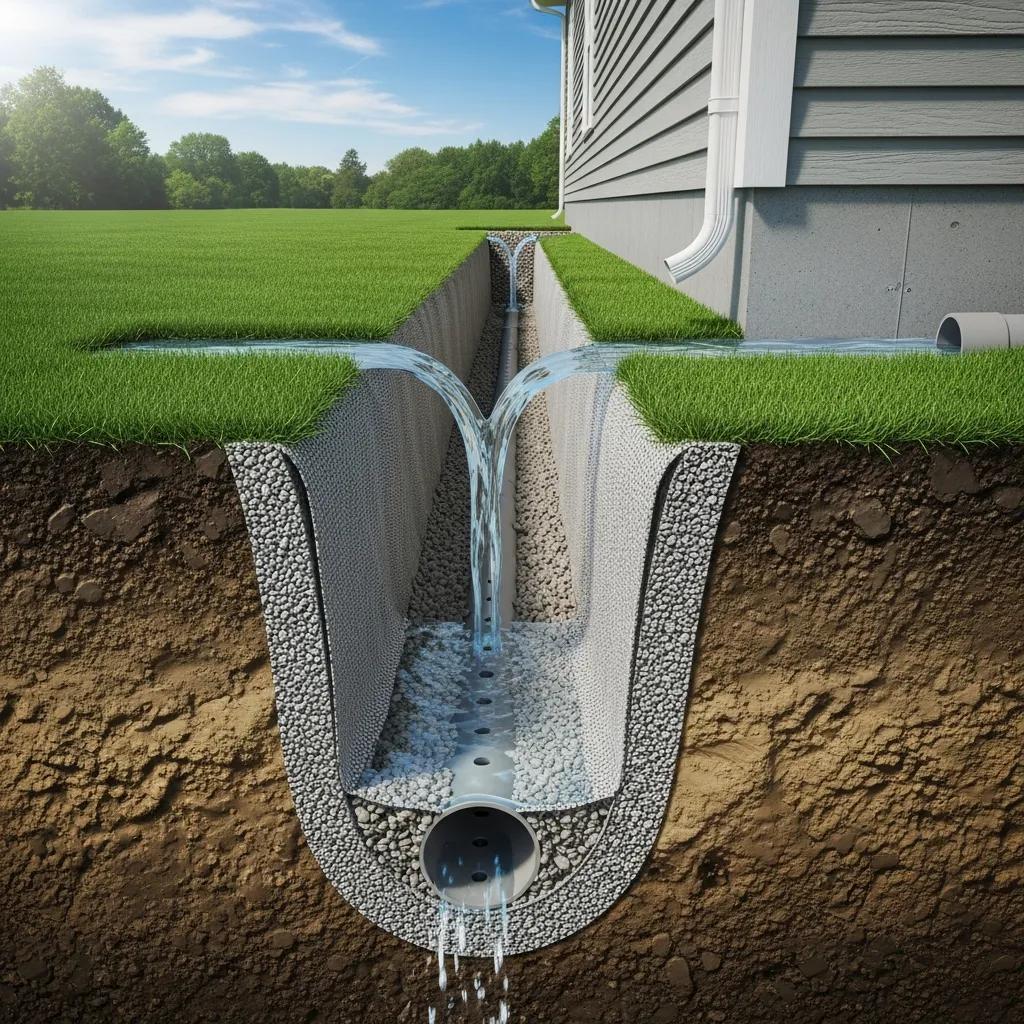
French drains are designed to redirect subsurface water away from your home, effectively preventing water accumulation around the foundation. They consist of a trench filled with gravel and a perforated pipe that collects and channels water away. This system is particularly effective in areas with high groundwater levels, as it helps maintain a dry basement and prevents soggy lawns. By managing water flow, French drains protect your property from long-term water damage and structural issues.
Emphasizing the critical role of subsoil drainage, experts highlight the benefits of proactive planning to safeguard structural integrity.
Proactive Subsoil Drainage for Home Foundation Protection
Soil stability contributes to the integrity of building structures and public recreational areas as well as to slopes and landscapes that abut highways, subdivisions, septic systems, retaining walls, and the like. Natural soil conditions can vary greatly, and accordingly, their ability to holdor shed water will also vary greatly. The installation of subsoil drainage is often only considered after problems arise, and mitigating any such problems is usually far more expensive, disruptive, and time-consuming than if tackled as a process in the original planning of a project.
D-3.7 Sub-Soil Drainage Systems, 2025
What Are Surface Drains and When Are They Recommended?
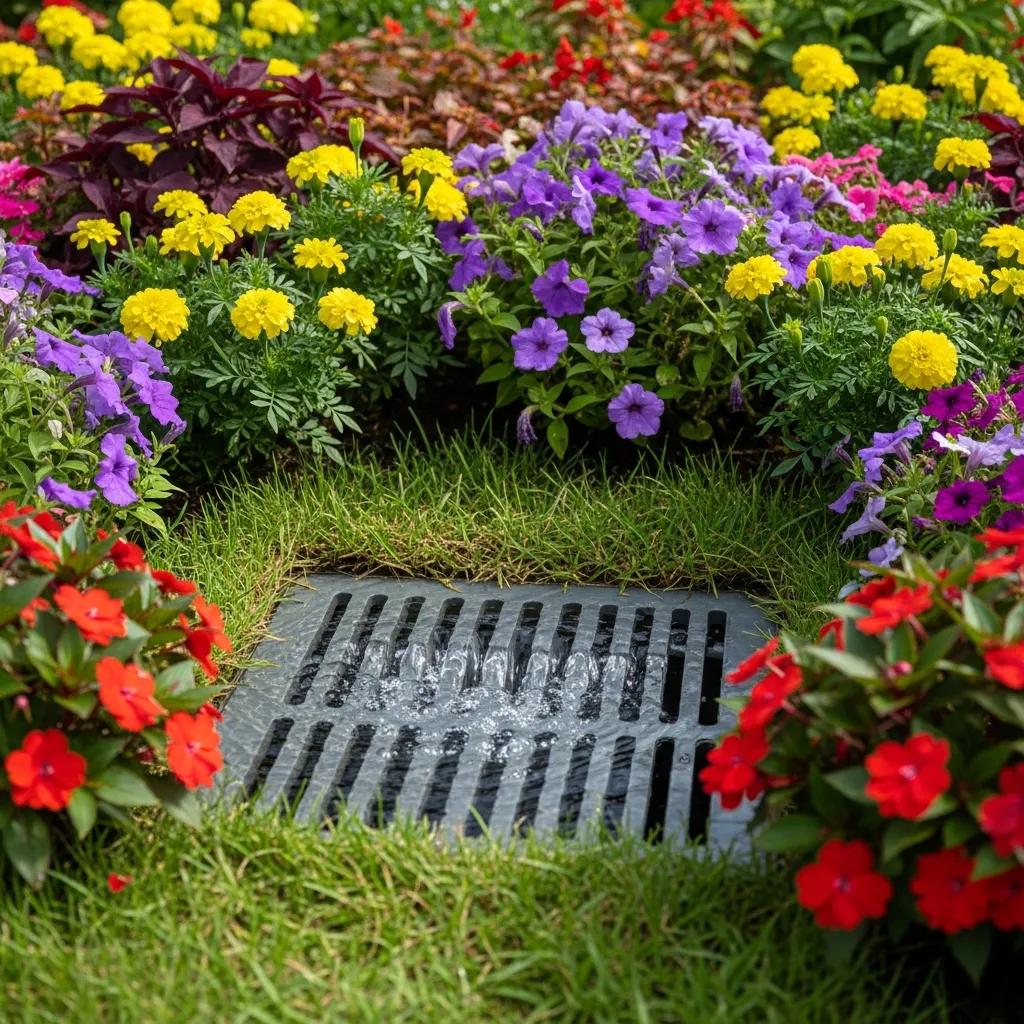
Surface drains are installed at ground level to collect and redirect rainwater or melting snow away from your property. They are particularly useful in areas prone to flooding or where water tends to pool. Surface drains work by capturing water through grates and channeling it into underground pipes. Homeowners should consider surface drains when landscaping or grading their property to ensure proper water flow and prevent water-related issues.
The Professional Process for Residential Drainage Installation
The installation of a drainage system involves several critical steps to ensure its effectiveness and longevity. A professional installation typically begins with an assessment of the property to identify problem areas and determine the best drainage solution.
What Are the Key Steps in the Drainage Installation Process?
- Assessment : A thorough evaluation of the property is conducted to identify drainage issues and determine the best system.
- Planning and Design : Based on the assessment, a detailed plan is created, outlining the type of drainage system to be installed and its layout.
- Installation : The installation process involves digging trenches, laying pipes, and ensuring proper grading to facilitate water flow.
The efficiency and method of installation often depend on specialized equipment, as noted by industry insights.
Drainage Installation: Trencher & Trenchless Machine Insights
of installation equipment, ie trencher and trenchless drainage machines. To optimize the use of these machines, however, a number of problems
Subsurface drainage practices: From manual installation to large-scale implementation, HP Ritzema, 2006
Which Factors Influence the Cost of Drainage System Installation?
Several factors can affect the cost of installing a drainage system, including:
- Property Conditions : The existing landscape and soil type can impact installation complexity.
- System Complexity : More intricate systems, such as those requiring extensive excavation or specialized materials, will increase costs.
- Labor Costs : The expertise and rates of the professionals hired for installation can vary significantly.
For homeowners in Massachusetts, Cut Above Landscaping Inc. offers professional drainage system installation services, ensuring that your property is protected from water damage.
When Should Homeowners Choose Professional Installation Over DIY Methods?
While some homeowners may consider DIY drainage installation, there are significant advantages to hiring professionals. Understanding when to seek expert help can save time, money, and potential headaches.
What Are the Risks of Installing Drainage Systems Without Expert Help?
DIY drainage installation can lead to several risks, including:
- Improper Design : Without professional knowledge, homeowners may create systems that do not effectively manage water flow.
- Structural Damage : Incorrect installation can lead to further water issues, potentially damaging the foundation or landscaping.
- Increased Costs : Mistakes made during installation may require costly repairs or reinstallation.
How Does Professional Expertise Ensure Long-Term Drainage Performance?
Professional installers bring valuable expertise to the table, ensuring that drainage systems are designed and installed correctly. Their knowledge of local soil conditions, weather patterns, and building codes helps create effective solutions that stand the test of time. Additionally, professionals can recommend the best materials and techniques to enhance system performance.
What Are the Signs of Drainage System Failure and How Can They Be Troubleshooted?
Recognizing the signs of drainage system failure is crucial for preventing costly water damage. Homeowners should be vigilant for symptoms that indicate potential issues.
Which Common Symptoms Indicate Drainage Problems?
- Standing Water : Puddles or standing water in your yard can indicate a drainage issue.
- Soil Erosion : Excessive erosion around the foundation may suggest that water is not being properly redirected.
- Foundation Issues : Cracks in the foundation or basement walls can signal water accumulation problems.
How Can Early Detection Prevent Costly Water Damage?
Early detection of drainage issues can save homeowners significant repair costs. By addressing problems promptly, such as clearing blockages or repairing damaged pipes, homeowners can prevent water from causing extensive damage to their property. Regular inspections and maintenance are essential for ensuring the longevity of your drainage system.
How Should Homeowners Maintain Their Drainage Systems for Optimal Functionality?
Proper maintenance of drainage systems is vital for ensuring their effectiveness over time. Homeowners should adopt best practices to keep their systems functioning optimally.
What Are Best Practices for Regular Drainage System Maintenance?
- Inspecting Drainage Components : Regularly check for blockages or damage in pipes and grates.
- Clearing Debris : Remove leaves, dirt, and other debris that can obstruct water flow.
- Flushing Underground Drains : Periodically flush drains to prevent buildup and ensure proper function.
How Often Should Drainage Components Be Inspected and Serviced?
Homeowners should aim to inspect their drainage systems at least twice a year, ideally in the spring and fall. Additionally, after heavy rainfall or storms, it is wise to check for any signs of blockage or damage. Regular maintenance can extend the life of your drainage system and prevent costly repairs.
How Can Local Massachusetts Expertise Enhance Your Home Drainage Solutions?
Local expertise plays a significant role in the effectiveness of drainage system installation and maintenance. Understanding regional conditions can lead to better outcomes for homeowners.
Why Is Regional Knowledge Important for Effective Drainage Installation?
Local professionals possess knowledge of specific soil types, weather patterns, and drainage regulations that can impact installation success. This expertise allows them to tailor solutions that are effective in the local environment, ensuring that drainage systems perform optimally.
How Does Cut Above Landscaping Inc Customize Drainage Services for Massachusetts Homes?
Cut Above Landscaping Inc. specializes in providing customized drainage solutions for homes in Massachusetts. By evaluating local factors and utilizing advanced equipment, they ensure that each drainage system is designed to meet the unique needs of the property. Their focus on high-quality workmanship guarantees that homeowners receive reliable and effective drainage solutions.
Frequently Asked Questions
What are the benefits of installing a drainage system in my home?
Installing a drainage system offers numerous benefits, including the prevention of water damage, soil erosion, and foundation issues. By effectively managing water runoff, drainage systems help maintain a dry environment around your home, reducing the risk of mold and mildew growth. Additionally, they can enhance the overall landscape aesthetics and increase property value. A well-designed drainage system ensures that water is redirected away from critical areas, providing peace of mind for homeowners concerned about water-related problems.
How can I determine if my home needs a drainage system?
Signs that your home may need a drainage system include persistent standing water in your yard, frequent flooding during heavy rains, or visible erosion around your foundation. Additionally, if you notice cracks in your basement walls or foundation, it may indicate water accumulation issues. Conducting a thorough assessment of your property, including observing water flow patterns during rain, can help determine if a drainage system is necessary. Consulting with a drainage professional can provide further insights tailored to your specific situation.
What maintenance is required for drainage systems?
Regular maintenance is essential for ensuring the longevity and effectiveness of drainage systems. Homeowners should inspect drainage components at least twice a year, looking for blockages, damage, or signs of wear. Clearing debris such as leaves and dirt from grates and surface drains is crucial to prevent obstructions. Additionally, flushing underground drains periodically can help maintain proper water flow. By staying proactive with maintenance, homeowners can avoid costly repairs and ensure their drainage systems function optimally.
Can I install a drainage system myself, or should I hire a professional?
While some homeowners may consider DIY installation, hiring a professional is often recommended for optimal results. Professionals possess the expertise to assess your property accurately, design effective drainage solutions, and navigate local regulations. DIY installations can lead to improper designs or installation errors, resulting in further water issues and costly repairs. If you lack experience with drainage systems, it’s wise to consult a professional to ensure your system is installed correctly and functions as intended.
What are the common mistakes to avoid when installing a drainage system?
Common mistakes during drainage system installation include improper grading, which can lead to water pooling, and inadequate sizing of pipes, resulting in overflow. Failing to account for local soil conditions and weather patterns can also compromise system effectiveness. Additionally, neglecting to install maintenance access points can make future inspections and cleaning difficult. To avoid these pitfalls, it’s crucial to conduct thorough planning and, if possible, consult with drainage professionals who can guide you through the process.
How do I know if my drainage system is working properly?
To determine if your drainage system is functioning correctly, monitor for signs of standing water, soil erosion, or water pooling in your yard. Regularly inspect drainage components for blockages or damage, especially after heavy rainfall. If water is flowing freely through the system and there are no visible issues, it is likely working as intended. Additionally, consider scheduling periodic professional inspections to ensure that your drainage system remains in optimal condition and to address any potential problems early.
Conclusion
Understanding the installation and maintenance of drainage systems is essential for protecting your home from water damage and ensuring long-term structural integrity. By choosing the right type of drainage solution, homeowners can effectively manage water runoff, prevent flooding, and enhance property value. Regular maintenance and professional expertise further ensure optimal performance and longevity of these systems. Take the next step in safeguarding your home by consulting with local professionals to find the best drainage solutions for your needs.