

Modern Water Feature Trends: Elevating Your Garden Design
Water features are a standout element in today’s landscapes — they add beauty, calm, and a sense of place. This guide walks through the newest hardscaping trends for garden ponds and outdoor fountains, covering what’s popular in 2026, durable materials, how installations typically proceed, upkeep best practices, and the effect these features can have on property value. Whether you’re planning a full renovation or a small focal point, knowing these trends helps you design a welcoming, low-stress outdoor space.
What are the most popular garden water features in 2026?
This year, homeowners and designers are choosing water features that blend clean lines with natural details. Modern garden ponds and outdoor fountains top the list because they’re flexible in scale and style, and they bring both visual interest and soothing sound to an outdoor room.
Exploring modern garden ponds and their design innovations
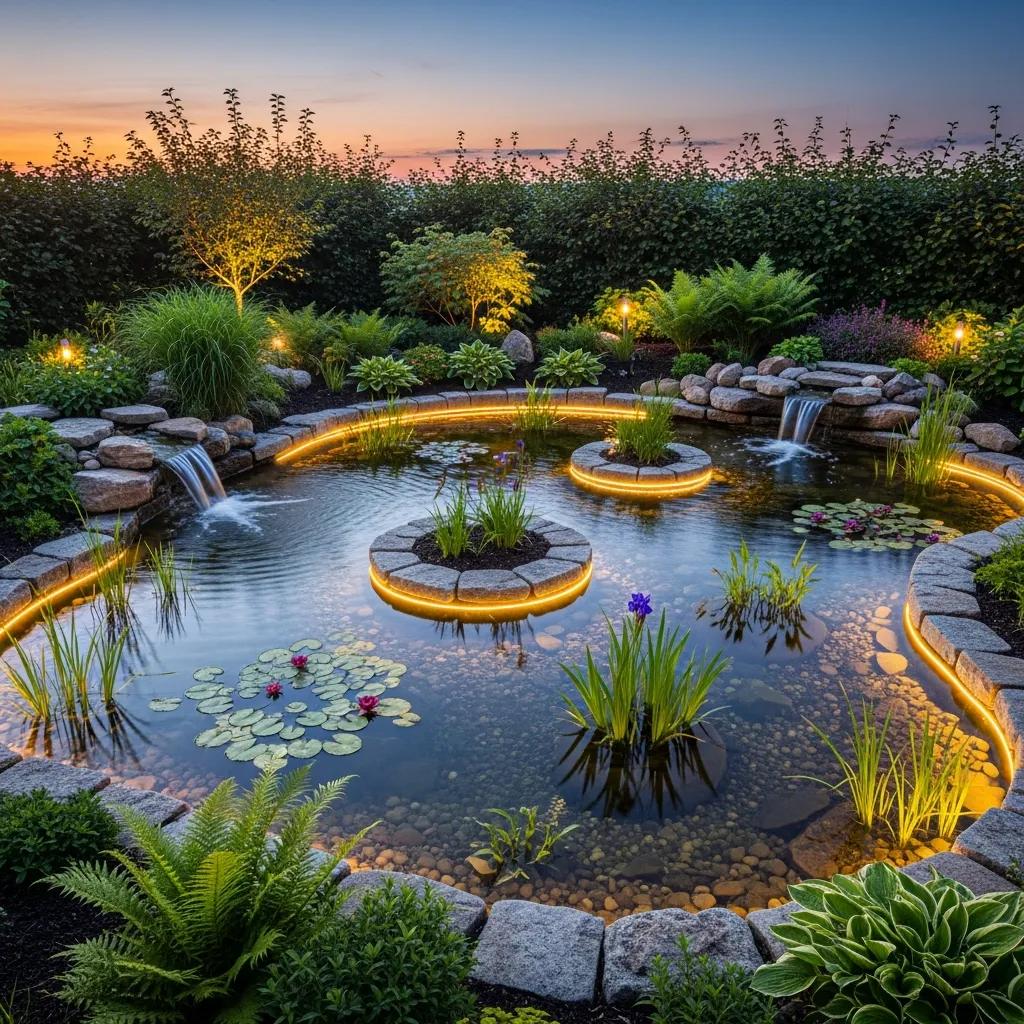
Contemporary garden ponds balance refined design with ecological function. Common features you’ll see include:
- Natural filtration systems: Plant-based and biological filters that keep water clear without heavy chemicals.
- Integrated lighting: Subtle LED and accent lighting to make the pond a night-time focal point.
- Customizable shapes: Tailored forms that fit your yard’s footprint and flow with surrounding hardscape.
These updates not only elevate a yard’s appearance but also support local wildlife by creating habitat and food sources.
Outdoor water fountains and waterfalls: styles and benefits
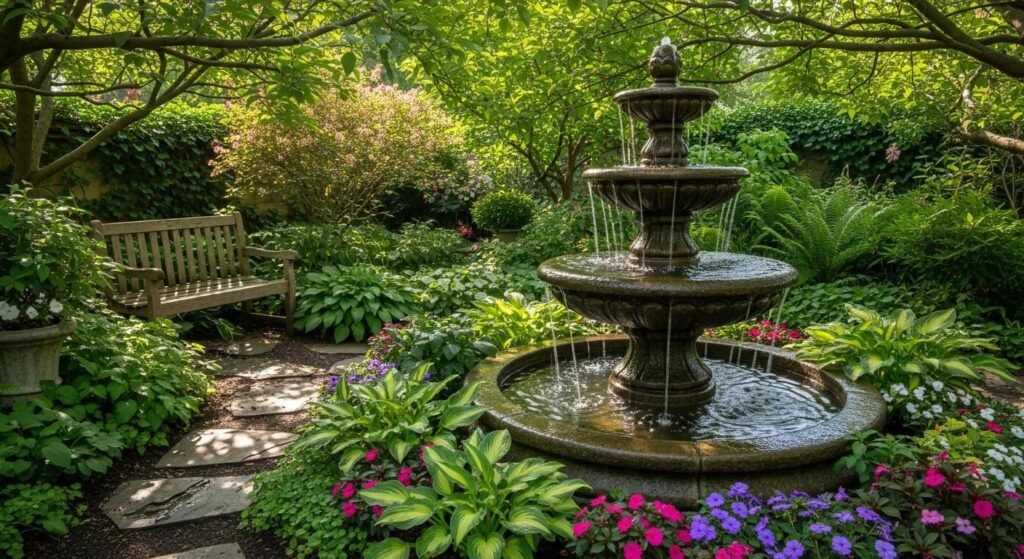
Fountains and waterfalls remain popular because of their sound and movement. Look for these common styles:
- Wall fountains: Perfect for tight spaces — they save room while adding vertical interest.
- Tiered fountains: A timeless choice that offers gentle, cascading water and visual rhythm.
- Naturalistic waterfalls: Built to mimic streams and rock formations for a seamless landscape fit.
Beyond looks, these features can improve microclimate, attract birds and pollinators, and contribute to a relaxing atmosphere that homeowners and guests enjoy.
Which hardscape design ideas and materials are trending for water features?
The materials you choose shape how a water feature will look, perform, and age. In 2026 the trend is toward durable, natural-looking materials that require minimal upkeep.
Using natural stone and concrete in landscape water elements
Natural stone and concrete are go-to choices because they last and adapt to many styles. Key advantages include:
- Durability: Both materials resist weathering and stand up to regular use.
- Aesthetic appeal: Stone offers timeless texture; concrete can be formed and finished to match modern designs.
- Cost considerations: Upfront costs vary, but long-term maintenance is usually lower with quality materials.
When selected and installed thoughtfully, these materials help create water features that look intentional and perform reliably for years.
Incorporating eco-friendly and sustainable design styles
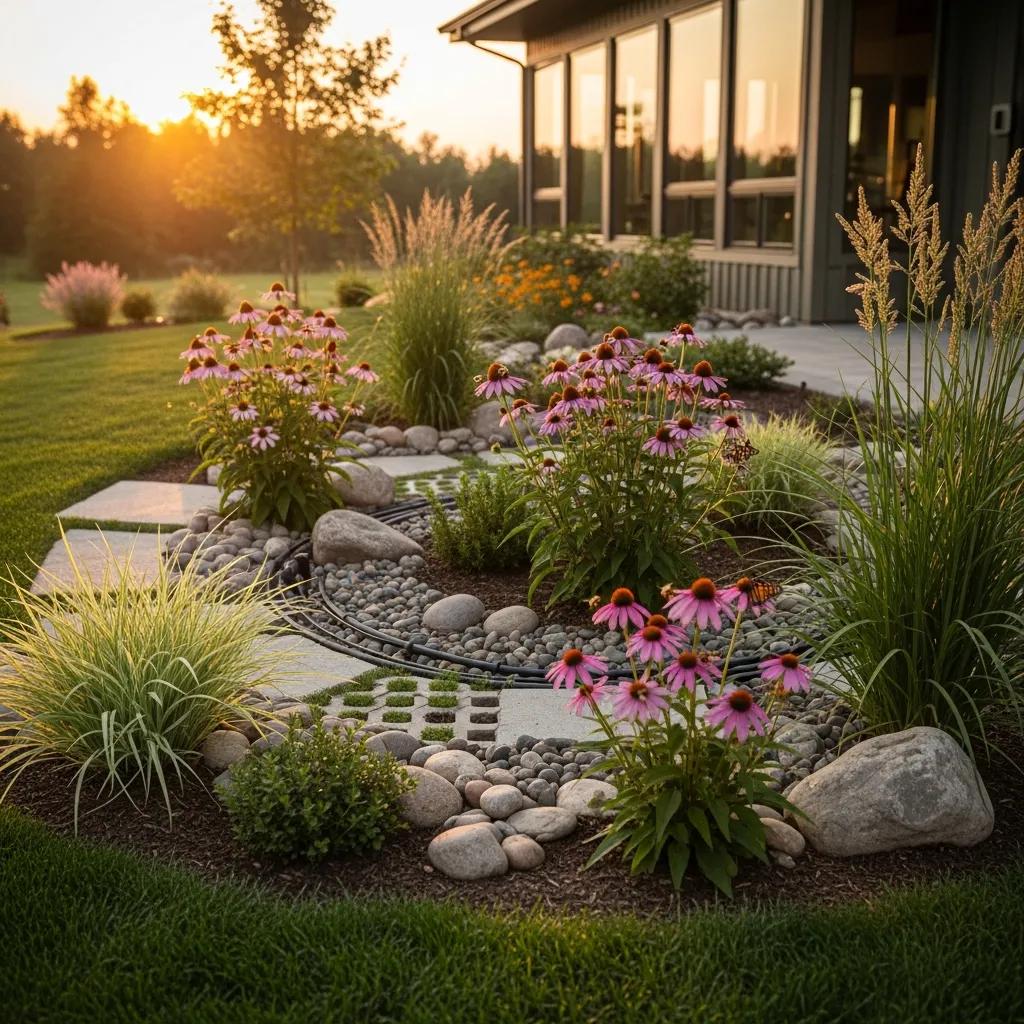
Sustainability is now central to water-feature design. Practical elements to consider include:
- Drought-resistant plants: Native species that cut watering needs and support local wildlife.
- Efficient irrigation systems: Smart controllers and targeted delivery reduce waste.
- Rain gardens: Features that capture and reuse stormwater while reducing runoff.
These choices lower maintenance, conserve resources, and create attractive, climate-smart outdoor spaces.
How is the installation process for water feature hardscaping best executed?
Good installation starts with a clear plan and follows a predictable sequence so the finished landscape is both beautiful and functional.
Step-by-step guide to professional water feature installation
- Site preparation: Grading and erosion control to set a stable foundation.
- Drainage solutions: Proper piping and swales to manage water movement and protect surrounding areas.
- Construction of hardscape elements: Building paths, patios, and retaining walls that integrate with the water feature.
- Irrigation system installation: Trenching and testing irrigation to ensure plants stay healthy without waste.
- Planting: Placing trees, shrubs, and groundcovers that suit the scheme and microclimate.
- Final commissioning: Testing pumps, filters, and landscape lighting so everything runs as designed.
Following these steps keeps the project organized, limits costly rework, and helps achieve the look and function you planned.
Tips for integrating water features seamlessly into your garden hardscape
To make water features feel like a natural part of your yard, keep these practical tips in mind:
- Assess water flow: Grade and direct runoff to avoid unwanted pooling.
- Install drainage infrastructure: Use French drains and catch basins where needed to protect structures and planting beds.
- Use permeable materials: Gravel or porous pavers help water infiltrate where appropriate.
- Incorporate landscape features: Swales, rain gardens, and dry creek beds work well with ponds and fountains to manage stormwater naturally.
These measures help your feature perform well and look right at home in the landscape.
What are the essential maintenance and longevity tips for garden water features?
Regular care keeps water features running smoothly and looking their best. A modest maintenance routine prevents small issues from becoming big problems.
Cleaning and winterizing outdoor water fountains and ponds
Seasonal care is straightforward when you follow a checklist:
- Regular cleaning: Clear debris and treat algae so water stays clean and healthy.
- Winterization: Drain or protect features before the freeze to prevent damage to pumps and lining.
- Equipment maintenance: Inspect and service pumps and filters on a schedule to maintain performance.
These steps extend the life of your feature and reduce repair costs over time.
Preventative care to enhance water feature durability
Proactive maintenance keeps structures sound and water healthy:
- Regular maintenance: Schedule seasonal checks so small problems are fixed early.
- Water quality management: Test and balance water to limit algae and keep clarity.
- Structural inspections: Look for settling, erosion, or cracks and address them before they worsen.
With a little attention, your water feature will remain a standout element for years.
How do cost and value considerations impact water feature hardscaping decisions?
Budget and long-term value both matter when planning a water feature. Knowing typical costs and expected returns helps you make choices that fit your goals.
Estimating garden water feature installation costs in Massachusetts
| Feature Type | Average Cost | Factors Affecting Pricing |
|---|---|---|
| Garden Ponds | $3,000 – $15,000 | Size, materials, and design complexity |
| Outdoor Fountains | $1,500 – $7,000 | Style, installation complexity, and features |
| Waterfalls | $4,000 – $20,000 | Height, materials, and integration with landscape |
These ranges give a realistic sense of investment; your exact cost will depend on site conditions and the finishes you choose.
Can water features increase property value? Insights and statistics
Yes—well-designed and well-maintained water features are part of modern outdoor living trends and can make a property more attractive to buyers. Landscapes that include thoughtful seating, lighting, and water elements have been shown to boost curb appeal and can increase market value by roughly 5–15%, depending on quality and integration.
Why choose Cut Above Landscaping for your water feature hardscaping needs in Billerica and surrounding areas?
Picking the right team matters. At Cut Above Landscaping we combine local knowledge with hands-on experience to deliver water features that work for your property and lifestyle:
- Expertise in custom designs: We design ponds, fountains, and waterfalls tailored to your space and vision.
- Attention to detail: Our crews focus on finish and fit so each element looks and performs as intended.
- Comprehensive services: From hardscape construction to planting and seasonal care, we handle the full scope.
- Local knowledge: We understand New England soils, climate, and plant choices that thrive here.
- Commitment to sustainability: We favor eco-friendly methods and materials to minimize environmental impact.
Those strengths make Cut Above Landscaping a reliable partner for bringing your water-feature ideas to life.
Showcasing our portfolio of custom water features and hardscaping projects
We’ve completed a range of projects — from compact courtyard fountains to larger pond-and-waterfall installations. Our portfolio highlights design variety and practical solutions that fit different yards and budgets.
How to request a quote or schedule a consultation with our experts
Ready to talk? Call us at 617-799-6798 or email chris@cutabovelandscapinginc.com. Our office is at 524 Boston Road, Billerica, MA 01821 — we serve Billerica and the surrounding communities.
Frequently asked questions
What are the benefits of adding a water feature to my garden?
A water feature adds visual interest and calming sound, improves the feel of your outdoor space, and can attract birds and other wildlife. It may also help with microclimate cooling and, when done well, increase curb appeal—making your yard more inviting and functional.
How can I ensure my water feature is eco-friendly?
Choose sustainable materials like natural stone or recycled concrete, plant native and drought-tolerant species, install smart irrigation, and consider rain gardens to capture runoff. Solar-powered pumps and lights are another great way to reduce energy use while keeping your feature beautiful.
What maintenance is required for water features throughout the year?
Maintenance includes clearing debris, checking pumps and filters, and treating water as needed in spring and summer. In fall, remove leaves and prepare for winter by draining or protecting exposed equipment. Regular inspections catch problems early and keep the feature operating well.
Can I install a water feature myself, or should I hire a professional?
Small features can be DIY projects, but professionals bring site assessment, proper plumbing and electrical setup, and design experience that avoid common issues like poor drainage or incorrect sizing. Hiring a pro often saves time and money over the long run.
What are the latest trends in water feature design for 2026?
Trends emphasize sustainability and natural integration: modern ponds with plant filtration and lighting, fountains that imitate natural waterfalls, and designs that use eco-friendly materials and drought-resistant planting to fit the landscape and reduce maintenance.
How do I choose the right location for my water feature?
Pick a spot with partial sun to limit algae growth, close enough to power if you need pumps or lighting, and visible from patios or main living spaces for enjoyment. Make sure the area has good drainage and that the feature complements existing landscape flow.
Conclusion
Adding a modern water feature can turn an ordinary yard into a restful retreat. By choosing sustainable materials, planning for proper installation, and committing to straightforward maintenance, you’ll create a lasting landscape element that adds beauty and value. If you’re ready to explore options, Cut Above Landscaping can help design and build a feature that fits your outdoor living space and lifestyle—reach out to start the conversation.