


Choosing the Best Walkway Materials for Your Landscape
Selecting the right walkway materials is important for improving the look and function of your outdoor spaces. Faced with many options, homeowners can feel unsure which choice fits best. This guide covers popular materials, their pros and cons, and practical installation tips for durability and stability. It also addresses drainage and maintenance so your walkways stay attractive and long-lasting. By the end, you should feel confident choosing materials that suit your landscape and needs.
Overview of popular walkway materials
Several walkway materials stand out for their specific characteristics and benefits. Knowing how each performs helps you choose the best match for your design and use.
| Material | Pros | Cons |
|---|---|---|
| Concrete walkways | Durable, low maintenance, versatile | Can crack over time, limited aesthetics |
| Paver walkways | Aesthetic appeal, customizable designs | Higher installation cost, requires a solid base |
| Natural stone walkways | Unique look, blends with nature | Expensive, can be slippery when wet |
| Brick walkways | Classic appearance, durable | Can be prone to shifting, requires maintenance |
| Gravel walkways | Affordable, good drainage | Can shift over time, requires regular replenishing |
Cut Above Landscaping Inc specializes in high-quality walkway installation, making sure chosen materials are installed correctly for long-lasting results.
Installation Tips for Durability and Stability

Proper walkway installation is essential to extend the life of your walkways. Consider these practical steps:
- Site Preparation : Clear debris and vegetation to create a stable work area and reduce future problems.
- Base Layer Requirements : Use a compacted gravel or sand base to support surface materials and improve drainage.
- Drainage Considerations : Grade walkways so water flows away from structures and does not collect on the path.
Following these steps improves stability and reduces common failures, helping your walkways remain functional and attractive.
Ensuring Proper Drainage
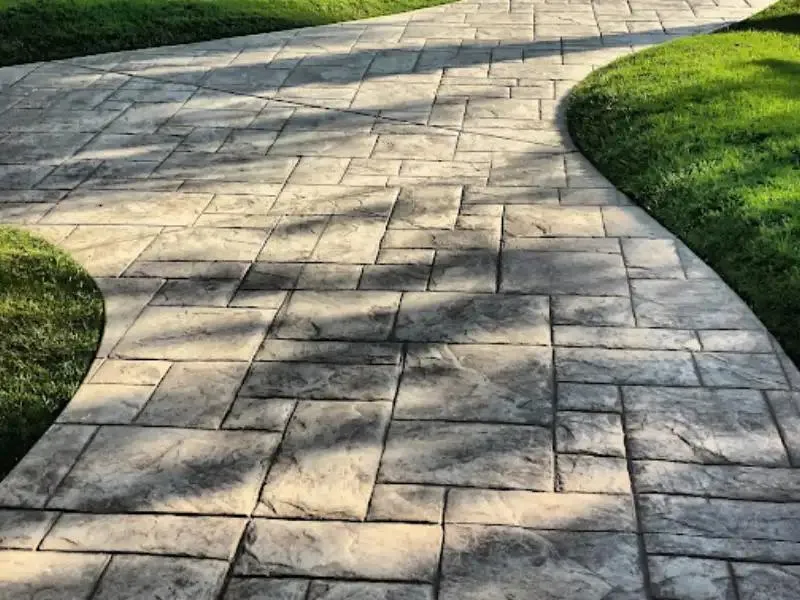
Drainage protects walkways from erosion, frost heave, and surface deterioration. Use these methods to manage water effectively:
- Importance of Grading : Slope the path away from buildings to avoid pooling and moisture damage.
- Use of Permeable Materials : Permeable pavers or gravel let water infiltrate, reducing runoff and surface water.
- Installation of Drainage Systems : French drains or similar features handle excess water where infiltration is insufficient.
Implementing these strategies helps protect walkways from water-related damage and extends their useful life.
Further research emphasizes the critical role of well-designed drainage systems in managing stormwater runoff effectively for residential properties.
Residential Stormwater Drainage for Walkways
By developing an easy-to-incorporate drainage system, a large portion of stormwater that would normally flow into the street can be contained within the property beneath the driveway. The goal is to design a system which can perform its double-duty of being a residential driveway as well as being a stormwater containment and infiltration system with enough void volume to accommodate most, if not all, rainstorm events.
Designing a Modular French Drain Driveway: Addressing the Impact of Stormwater Runoff from Residential Communities, 2023
Additional Considerations
When selecting materials, keep these practical factors in mind to ensure a successful installation:
- Foot Traffic Considerations : Match the material to expected use; high-traffic routes need tougher surfaces.
- Aesthetic Integration with Home : Pick materials and colors that complement your home’s architecture and landscape.
- Long-term Maintenance Needs : Choose materials whose upkeep aligns with the time and budget you can commit.
Considering use, appearance, and maintenance up front makes selection and long-term care easier.
Beyond basic material selection, optimizing walkway design for thermal comfort and aesthetic integration is also a key aspect of landscape planning.
Optimizing Walkway Materials for Landscape Design & Comfort
Findings indicate that smaller, scattered hardscape patterns with maximum 6% divided ratio, combined with light and dark surfaces, wood, and softscape areas, significantly reduce reflected solar energy. Tree placement over light-colored hardscapes proved effective in lowering solar reflection, while optimal hardscape tile rotations towards to northern orientation. Multi-variable scenarios optimization incorporating trees, water surfaces, and reflective materials achieved up to a 44% reduction in solar irradiation. These results highlight the importance of balancing hardscape and softscape areas, integrating vegetation and water features, and utilizing light-colored materials in dispersed patterns.
The effective landscape design parameters with high reflective hardscapes: guidelines for optimizing human thermal comfort in outdoor spaces by design-a case on …, RA Abdelwahab, 2025
Maintenance Practices for Different Materials
Regular maintenance preserves appearance and prevents minor issues from becoming major repairs. Recommended care by material:
- Concrete Walkways : Seal periodically to reduce cracking and use a pressure washer for stains.
- Paver Walkways : Monitor for shifting, replace damaged pavers, and remove weeds between joints.
- Natural Stone Walkways : Clean with mild soap and reseal as needed to protect against stains.
- Brick Walkways : Sweep regularly and apply sealant to limit moss and retain color.
- Gravel Walkways : Rake and add gravel periodically to keep an even surface; keep edging in place.
Consistent maintenance keeps walkways safe, attractive, and functional for years.
Frequently Asked Questions
What factors should I consider when choosing walkway materials?
Consider foot traffic, how the material matches your home’s style, and the long-term maintenance required. High-traffic areas need more durable surfaces; aesthetic choices should complement your architecture. Evaluate maintenance needs so the material fits your lifestyle and upkeep plans.
How can I enhance the safety of my walkways?
Choose non-slip materials in wet or shaded areas, ensure proper drainage to avoid pooling, and add adequate lighting. Regular maintenance—clearing debris and repairing cracks or shifts—also reduces trip and slip hazards.
Are there eco-friendly options for walkway materials?
Yes. Permeable pavers reduce runoff and help recharge groundwater. Recycled bricks or crushed concrete can be reused, and natural stone or gravel often require less processing than manufactured options.
What is the best way to maintain gravel walkways?
Rake regularly to level the surface, replenish gravel when depth decreases, and install edging to keep material contained. Remove weeds and adjust drainage as needed to maintain a tidy path.
How do I prevent weeds from growing in my walkway?
Install weed barrier fabric under the surface, sweep regularly, and use joint sand for pavers to deter weeds. For persistent issues, a pre-emergent treatment can reduce seed germination.
What are the benefits of using permeable materials for walkways?
Permeable materials improve drainage, reduce stormwater runoff, and help recharge groundwater. They can also mitigate urban heat effects by allowing cooling through evaporation and support sustainable landscaping practices.
Conclusion
Choosing appropriate walkway materials enhances both beauty and function in outdoor spaces. By weighing pros and cons, considering site conditions, and following sound installation and maintenance practices, you can create durable, attractive walkways. If you prefer professional assistance, our landscaping services can help design and install pathways that meet your needs and style.