

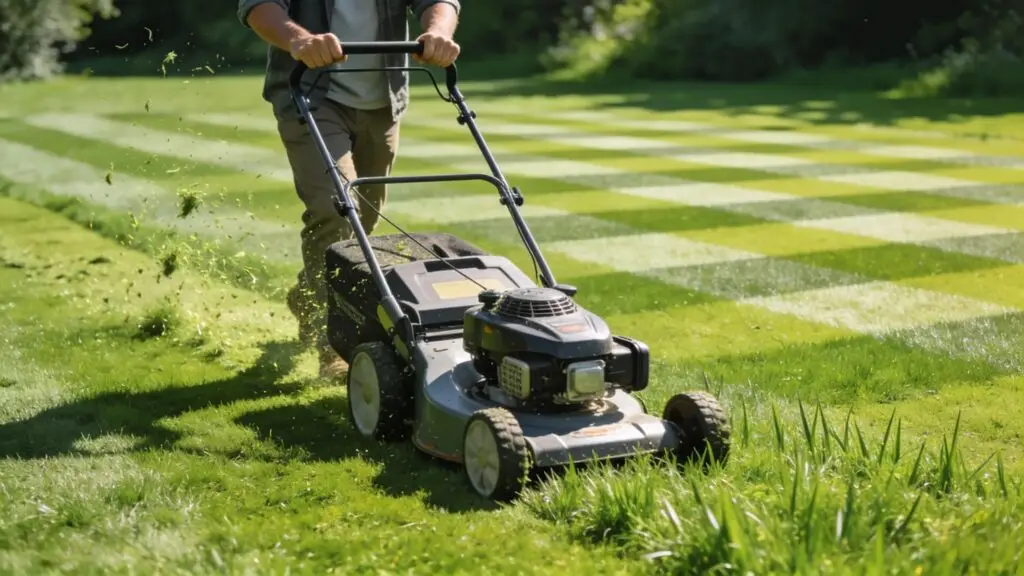
Maximize Lawn Health With Mowing Best Practices
A healthy lawn requires more than routine cutting; it depends on proven lawn mowing practices. This guide outlines techniques to promote strong growth and resilience, covering correct mowing heights, scheduling, and maintenance. For homeowners seeking reliable, research‑based methods, these strategies provide practical solutions, including optimal heights by grass type, professional scheduling advice, and maintenance tips.
Essential Mowing Practices for a Healthier Lawn
- Proper mowing height varies by grass type and is essential for promoting healthy, resilient lawns.
- Maintaining sharp mower blades ensures clean cuts, reducing grass stress and disease risk.
- Consistent mowing schedules, adjusted seasonally, support optimal grass growth and lawn vitality.
- Eco-friendly practices like mulching and using electric mowers reduce environmental impact and enhance soil health.
- Regular lawn maintenance, including aeration and fertilization, improves root development and nutrient uptake.
- Varying mowing patterns weekly prevents grass wear and encourages upright growth.
- Late afternoon or early evening is the best time to mow to minimize grass stress and disease.
- Professional consultation helps customize mowing and maintenance plans for large or complex lawns.
- Correcting common mowing mistakes, such as mowing too short or wet grass, restores lawn health effectively.
Mowing Best Practices
Mowing strongly influences turf health. Maintain the correct cutting height, keep blades sharp and follow a regular schedule. These practices reduce stress and encourage stronger root systems, improving drought resistance and overall lawn vitality.
For more detailed insights, consider this resource on maintaining healthy lawns through effective mowing practices.
Mowing Practices for Healthy Florida Lawns
This document explains proper mowing practices for Florida lawns, showing how correct height and frequency can increase turf density, encourage deep root growth and improve tolerance to environmental stresses. It reviews mowing effects on turf physiology, the benefits of leaving clippings on the lawn, and equipment recommendations for different grass species. The document also provides safety and efficiency guidelines to support optimal turf health and reduce environmental impact. Mowing Your Florida Lawn: ENH10/LH028, rev. 6/2018, 2018
Consulting a lawn care professional can further refine your mowing approach. Firms such as Cut Above Landscaping Inc. provide tailored recommendations based on site conditions. Applying those recommendations improves both appearance and long‑term turf health.
Expert Lawn Mowing Schedule
An effective mowing schedule reflects grass growth patterns, local climate and seasonal change. As a rule, mow weekly during the active growing season and adjust frequency based on weather and growth rates.
- Weekly Mowing: Maintain a consistent schedule to encourage even growth and prevent the grass from becoming too long, which can stress the plants and facilitate pest issues.
- Seasonal Adjustments: In spring and fall, grass often grows faster, requiring more frequent mowing. Conversely, during dry periods in the summer, you might reduce the frequency to avoid stressing the grass.
- Mowing Patterns: Varying the mowing pattern can help reduce wear on the grass. Changing directions weekly allows the grass to stand upright rather than leaning in one direction.
For a tailored mowing plan, consult Cut Above Landscaping Inc. for specialist advice.
Maintenance Tips
Between mowing sessions, check for soil compaction, pests and nutrient shortages. Regular inspections identify issues early and support sustained lawn health.
- Soil Management: Regular aeration can relieve compaction and promote healthy root growth. This process allows for better water absorption, improving overall lawn vitality.
- Fertilization Tips: Employing a balanced fertilization approach ensures that the lawn receives essential nutrients. It’s advisable to fertilize based on soil tests to determine what nutrients are needed.
- Weed and Pest Control: Vigilance in managing weeds and pests can prevent competition for light and nutrients. Organic or chemical control measures should be applied as part of a comprehensive lawn care strategy.
These maintenance actions strengthen the lawn ecosystem and support long‑term vigor.
Effective Techniques for Lawn Care
Post‑mowing care addresses immediate concerns and supports long‑term turf growth.
- Regular Health Checks: Inspect your lawn frequently for any signs of stress or diseases. Early identification can mitigate long-term damage.
- Watering Practices: Deep, infrequent watering encourages roots to grow deeper. Aim for about 1 inch of water per week, adjusting based on rainfall.
- Thatch Management: Regular dethatching prevents grass from suffocating and allows nutrients to penetrate the soil more effectively.
Applying these methods helps keep the lawn resilient to stress and disease.
What Are the Optimal Mowing Heights for Common Grass Types in Massachusetts?
Correct mowing height varies by species. The table lists ideal height ranges for common Massachusetts grasses for easy reference.
| Grass Type | Optimal Height Range |
|---|---|
| Kentucky Bluegrass | 2.5 – 3 inches |
| Perennial Ryegrass | 2 – 2.5 inches |
| Fine Fescue | 1.5 – 2 inches |
Adjusting mower height to match your grass type maximizes health and helps prevent disease.
When and How Often Should You Mow to Maximize Lawn Health?
Mow when the grass is dry and temperatures are cooler—late afternoon or evening—to reduce stress and aid recovery.
Mowing frequency depends on growth rates, season and weather. Monitor the lawn and adjust to keep grass at recommended heights without overcutting.
What Is the Best Time of Day for Lawn Mowing?
Late afternoon or early evening is generally best because temperatures are lower and grass is often drier. Avoid morning mowing when dew can encourage fungal spread.
Mowing in the evening allows turf to replenish moisture overnight before daytime heat, supporting recovery.
How Can You Adjust Lawn Mower Settings for Ideal Lawn Maintenance?
Correct mower settings are essential. Key adjustments improve cut quality and turf health:
- Height Adjustment: Set your mower to the appropriate height based on the type of grass you have. This will help prevent scalping and maintain the health of the lawn.
- Blade Sharpness Maintenance: Regularly check and sharpen your mower blades. Sharp blades create clean cuts, reducing stress on the grass and lowering the chances of disease.
- Mower Settings for Various Grass Types: Depending on your grass type and local conditions, adjust the speed of your mower. Slower speeds allow for a better cut, especially in thicker grasses.
Routine mower maintenance improves cutting efficiency and supports turf health.
What Lawn Mower Types and Blade Settings Are Recommended for Different Lawns?
Select a mower that suits your lawn size and terrain. Consider these factors:
- Types of Mowers: For smaller lawns, a reel mower may be sufficient and environmentally friendly. For larger areas, consider self-propelled or riding mowers for efficiency.
- Blade Settings: Ensure that the blade height is set according to your grass species’ growth needs, maintaining optimal height for health while preventing overcutting.
- Considerations for Choosing a Mower: Evaluate your lawn’s terrain and grass type when selecting a mower. Some mowers offer better performance on uneven terrains, while others excel in dense grass.
Appropriate equipment reduces labour and delivers more consistent results.
How Does Proper Mower Maintenance Influence Cutting Quality and Lawn Health?
Maintaining your mower preserves cut quality and protects the lawn. Clean after use and sharpen blades regularly to improve efficiency and prevent damage. A well‑serviced mower yields more even growth.
Neglect leads to torn grass, uneven cuts and higher disease risk. Establish a regular maintenance routine to avoid these outcomes.
What Eco-Friendly Mowing Practices Support Sustainable Lawn Care?
Eco‑friendly mowing reduces environmental impact while supporting turf health.
- Benefits of Mulching: Mulching clippings returns nutrients back to the soil, enriching it and fostering healthy growth, reducing the need for chemical fertilizers.
- Using Electric Mowers: For an environmentally friendly approach, consider electric mowers, which produce less pollution compared to gas-powered options.
- Natural Pest Control Options: Implementing natural pest control methods minimizes chemical usage, supporting a healthier ecosystem and promoting biodiversity within your lawn.
Adopting these practices promotes a sustainable, healthier lawn and reduces reliance on chemical inputs.
How Do Mulching and Fuel-Efficient Mowers Reduce Environmental Impact?
Mulching recycles clippings and returns nutrients to the soil, reducing yard waste and supporting turf resilience. Fuel‑efficient mowers reduce fuel use and greenhouse gas emissions, which helps protect air quality while maintaining the lawn.
Fuel‑efficient models and mulching together lower the overall environmental footprint of routine maintenance.
Why Are Eco-Conscious Mowing Techniques Important for Lawn and Soil Health?
Eco‑conscious techniques sustain lawn and soil health. Organic practices improve soil biology and support long‑term turf performance. Sustainable methods also reduce dependence on chemicals that can disrupt local ecosystems.
These approaches support beneficial soil microbes, enhance nutrient uptake and increase the lawn’s resilience to pests and disease.
What Strategies Optimize Mowing for Large Lawns and Commercial Properties?
Large and commercial lawns require efficient strategies to maintain quality. Consider the following:
- Efficient Mowing Techniques: Utilize larger mowers that can cover more ground quickly, reducing the time spent on maintenance.
- Considerations for Commercial Properties: Regularly scheduled maintenance and mowing are essential to keep these properties looking pristine. Hiring professional services can ensure expert care.
- Recommendations for Equipment and Maintenance: Invest in durable mowers designed for frequent use on large tracts of land. Additionally, ensure regular servicing and blade maintenance are prioritized.
These strategies help large properties remain healthy while minimising labour demands.
How Do Consultation Services Enhance Maintenance Plans for Large Properties?
Consultations are essential for effective maintenance of large sites. Professionals assess conditions, offer tailored guidance and recommend practices that match a property’s needs.
- Benefits of Professional Evaluation: An initial assessment can identify weaknesses in current practices, providing a roadmap for improvement.
- Customization of Lawn Care Practices: Customized plans take into account grass type, soil quality, and other environmental factors leading to better outcomes.
- Support for Property Owners: Regular follow-ups ensure that the strategies implemented yield lasting results, assisting property owners in maintaining the best possible lawn health.
Engaging experts ensures maintenance plans are customised to site conditions and deliver lasting results.
How Can You Recover and Maintain Lawn Health After Mowing Errors?
Mowing errors such as scalping or uneven cuts can damage turf, but timely recovery actions can restore health. Identify the damage promptly and apply appropriate remedies.
- Identifying and Correcting Issues: Assess the grass for any visible signs of stress. Depending on the type of error, remedial actions will vary.
- Post-Error Care Methods: Implement deep watering and proper nutrition to support recovery. Concentrating on soil health aids in quicker recovery for grasses under stress.
- Importance of Monitoring Lawn Health: Regular observations following any mishaps can prevent future issues, ensuring that your practices align with the health needs of your lawn.
With timely and appropriate interventions, lawns can recover from common mowing mistakes.
What Common Mowing Mistakes Harm Lawns and How to Correct Them?
Common mowing mistakes can harm turf. Avoid these errors and follow corrective steps to protect lawn health:
- Mowing too Short: Cutting grass too low can stress it and allow weeds to flourish. Aim for maintaining the recommended height.
- Neglecting Blade Sharpness: Dull blades tear grass rather than cleanly cut it, leading to diseases. Ensure blades are routinely sharpened.
- Mowing Wet Grass: Mowing when the grass is wet can lead to uneven cuts and promote diseases. Always check moisture levels before mowing to ensure optimal conditions.
Correcting these issues will improve the lawn’s health and appearance.
Which Recovery Practices Restore Thatch, Soil Moisture, and Grass Vitality?
Key recovery practices address thatch, soil moisture and nutrient levels:
- Dethatching and Aeration: These practices reduce thatch build-up and enhance water penetration.
- Proper Watering Techniques: Watering deeply and less frequently helps develop strong root systems.
- Nutrient Replenishment Strategies: Use organic fertilizers to replenish nutrients in the soil, encouraging vitality and growth.
Applying these recovery strategies helps restore both the health and appearance of the lawn after damage.
Frequently Asked Questions
What are the benefits of using electric mowers over gas-powered ones?
Electric mowers produce fewer emissions than gas models, reducing air pollution. They operate more quietly and typically require less routine maintenance due to fewer moving parts. Operating costs are often lower since they do not need gasoline. For homeowners prioritising lower emissions and simpler upkeep, electric mowers are a practical option.
How can mulching grass clippings improve lawn health?
Mulching returns clippings to the soil as they decompose, releasing nitrogen and other nutrients that reduce reliance on chemical fertilizers. This practice helps retain soil moisture, supports microbial activity and lowers yard waste sent to landfill, contributing to a healthier lawn ecosystem.
What seasonal adjustments should you make to your mowing schedule?
Adjust mowing frequency according to seasonal growth. In spring and fall, mow more frequently—about every 4–6 days—when growth is rapid. During hot, dry summer periods, reduce frequency, possibly to every two weeks. Monitor weather and growth and adapt the schedule to maintain recommended heights.
How does soil aeration benefit lawn health?
Aeration relieves soil compaction and improves air, water and nutrient movement to roots. By creating small holes, aeration encourages deeper root growth, better moisture and fertiliser uptake, improved drainage and a more drought‑tolerant lawn.
What are some common lawn care myths that homeowners should be aware of?
Several myths can mislead homeowners. Cutting grass very short to reduce maintenance stresses the turf and invites weeds. Fertilisation is not limited to spring—lawns often benefit from scheduled feeding through the year. Watering in the evening can encourage fungal disease; early morning watering is generally preferable. Correcting these misconceptions improves outcomes.
Can professional lawn care consultations improve lawn management?
Professional consultations provide tailored insight through soil testing, grass identification and site assessment. Experts develop customised care plans that reflect local climate and soil conditions. Engaging professionals can save time and reduce costs by preventing problems and improving lawn performance and appearance.
Conclusion
Applying proven mowing and maintenance practices improves both the appearance and health of your lawn. Adhere to recommended mowing heights, schedules and upkeep routines to see measurable improvements in vitality. For site‑specific plans, seek professional advice to maximise aesthetic and sustainability outcomes. Review expert recommendations and resources to refine your lawn‑care routine.