


Deciding between sod installation and hydroseeding in Massachusetts can significantly impact how quickly your lawn thrives, your budget, and how well your turf handles our region’s weather. Homeowners in Billerica, Burlington, and Lexington often contend with clay-heavy soils, fluctuating rainfall, and water restrictions—factors that directly influence new lawn success. In this guide, you’ll learn how each method works, compare costs and establishment times, explore local soil and climate considerations, discover ideal scenarios for sod or hydroseeding, see the professional services offered by Cut Above Landscaping Inc., and understand post-installation care. Whether you’re aiming for an instant green carpet or a budget-friendly, erosion-resistant solution, this article will equip you with the insights needed to make the right choice.
What is Sod and How Does It Work for Massachusetts Lawns?
Sod installation involves laying down mature grass, already grown in rolls, over prepared soil. This method provides an immediate lawn, leveraging pre-grown turfgrass that roots within days and offers instant erosion control. By transplanting turf in squares, sod creates seamless coverage and quickly establishes a root network beneath the soil surface. This approach bypasses germination uncertainties and instantly boosts your property’s value and curb appeal.
What are the Key Benefits of Sod Installation in Massachusetts?
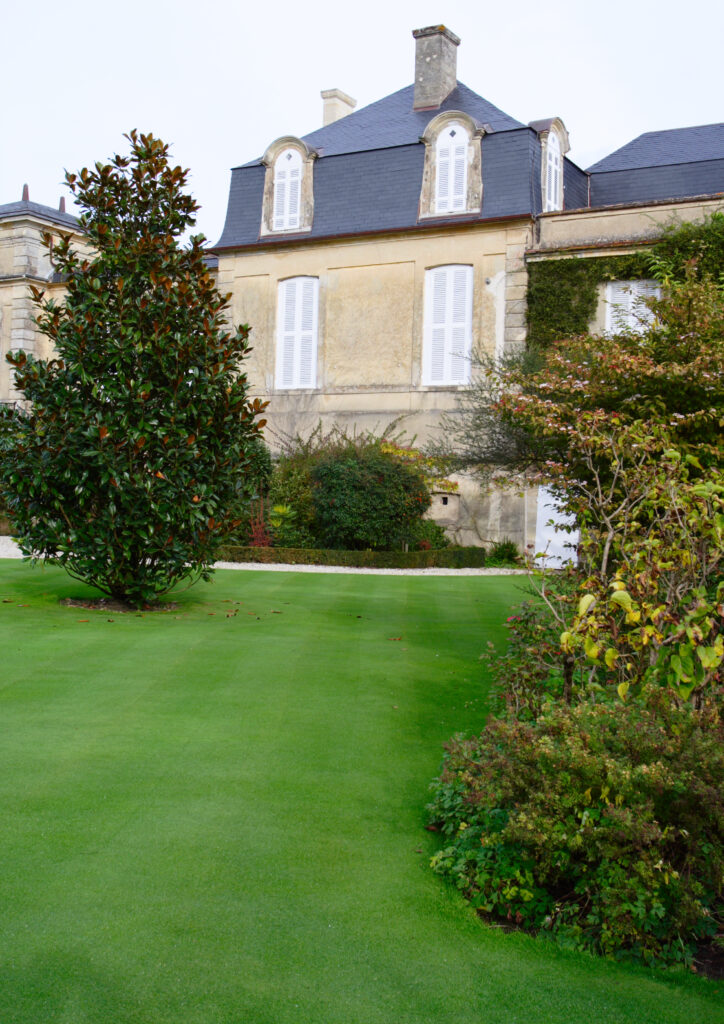
Massachusetts lawns benefit from sod’s immediate visual appeal, rapid erosion control on slopes, and its ability to suppress weeds.
- Sod provides complete coverage from day one, offering an instant aesthetic upgrade.
- The dense turf rolls naturally block sunlight and crowd out invasive species, suppressing weeds.
- Root systems develop beneath the sod mat within 10–14 days, promoting stability on slopes and embankments.
Jones, A., Landscaping Today (2022)
These advantages make sod an excellent choice for high-traffic areas and projects that require a quick turnaround, while also laying the groundwork for long-term lawn health.
What are the Common Drawbacks of Using Sod in MA?
While sod delivers immediate results, it comes with higher material and labor costs, the potential for visible seams if not installed perfectly, and requires intensive early watering.
- The initial investment typically ranges from $1.50 to $3.00 per square foot, depending on the grass variety and delivery costs.
- Seams between sod rolls can become noticeable if the edges dry out or if the installation isn’t precise.
- To encourage root penetration, sod needs daily watering for the first two weeks, which can sometimes conflict with local water restrictions during dry periods.
Considering these limitations alongside the benefits helps clarify when sod is the superior choice over seeded options.
How Does Sod Provide Instant Lawn and Erosion Control?
Sod’s pre-grown turf layer immediately covers bare soil, forming a protective mat that resists surface runoff and traps sediment. This barrier effectively reduces soil displacement on slopes and construction sites. As the sod’s roots grow into the underlying soil, it transitions from a surface cover to a structurally integrated lawn that stabilizes the ground.
What are the Typical Costs and Maintenance Requirements for Sod?
Sod installation in Massachusetts generally costs between $1,500 and $3,000 for a 1,000 sq ft lawn. These prices reflect the chosen turf species, site accessibility, and the extent of soil preparation needed. After installation:
- Water daily for 10–14 days, then gradually reduce to twice weekly.
- Mow at a height of 2.5–3 inches once the roots have anchored, typically after about three weeks.
- Fertilize 4–6 weeks post-installation using a balanced NPK formula.
Proper care ensures that sod delivers the immediate benefits that justify its premium price point.
What is Hydroseeding and How Is It Applied in Massachusetts?
Hydroseeding involves mixing grass seed, mulch, fertilizer, and water into a slurry that is then sprayed onto prepared soil. This creates a protective layer that retains moisture and encourages germination. The process uniformly disperses seed and amendments over large or irregularly shaped areas, ensuring consistent growth without the seams associated with sod.
What are the Main Components of Hydroseeding Slurry?
Hydroseeding relies on four essential ingredients, mixed on-site to create a cohesive slurry:
- Seed: Custom grass blends (fescue, rye, Kentucky bluegrass) specifically chosen to suit the local climate.
- Mulch: Cellulose or paper fiber that shields seeds from erosion and birds.
- Fertilizer: Starter nutrients (often a 10-10-10 NPK ratio) to promote early root development.
- Tackifier: A biodegradable adhesive that helps the slurry bind to slopes and flat surfaces.
Together, these components create ideal conditions for uniform turf establishment across various types of terrain.
What are the Benefits of Hydroseeding for MA Lawns and Erosion Control?
Hydroseeding in Massachusetts offers cost-effective coverage, flexibility in seed selection, and strong erosion control for sloped or expansive properties.
- Lower Material Cost – Typically costs between $0.10–$0.30 per square foot for seed and mulch, not including labor.
- Custom Seed Mixes – Allows for tailored blends to address specific soil types (clay or sandy), shade conditions, or the need for drought-tolerant grasses.
- Surface Stabilization – The mulch layer can reduce runoff by up to 50%, effectively protecting topsoil on steep inclines.
Smith, B., Green Land Management (2023)
What are the Drawbacks and Establishment Time for Hydroseeding?
Hydroseeding trades instant turf for a germination period, requiring careful moisture management and protection from foot traffic.
- Visible sprouting typically appears within 7–14 days; full coverage can be expected in 4–6 weeks.
- Daily misting is crucial until the seedlings reach 1–2 inches in height, which can put a strain on irrigation resources.
- Heavy rains can potentially wash away unestablished seed, necessitating reseeding in vulnerable areas.
Planning around seasonal rainfall patterns and available irrigation capabilities is key to ensuring successful hydroseeding.
How Does Hydroseeding Suit Large Areas and Sloped Yards in Massachusetts?
Large properties and embankments benefit greatly from hydroseeding’s rapid application process and its erosion-resistant mulch matrix. Contractors can cover hundreds of square feet per hour, avoiding the labor intensity and seams associated with sod. The slurry adheres well to steep inclines, forming a protective blanket that retains moisture and stabilizes the soil until the grass roots take hold.
Sod vs Hydroseeding: Costs, Installation, and Lawn Quality in MA
Here’s a direct comparison of key features to help Massachusetts homeowners choose the best lawn installation method for their property.
| Feature | Sod Installation | Hydroseeding |
|---|---|---|
| Initial Cost | $1.50–$3.00 per sq ft | $0.10–$0.30 per sq ft (materials only) |
| Establishment Time | Instant green coverage; usable in 3–4 weeks | Germination in 7–14 days; usable in 4–6 weeks |
| Erosion Control | Immediate surface protection | Mulch layer reduces runoff until roots form |
| Weed Control | Dense mat suppresses weed germination | Requires diligent early weed management |
| Customization | Limited to available turf varieties | Wide range of seed blends and ratios |
| Best Use Cases | High-traffic areas, small yards | Large fields, slopes, budget-conscious sites |
| Water Requirements | Daily for 10–14 days, then biweekly | Daily misting for 4–6 weeks |
| Root Development | Rapid root penetration in 10–14 days | Deep root system over first 6 weeks |
What is the Cost Difference Between Sod and Hydroseeding in MA?
Sod installation typically costs between $1,500 and $3,000 for 1,000 sq ft. Hydroseeding materials for the same area cost $100–$300, plus labor which ranges from $0.20–$0.40 per square foot. Hydroseeding offers significant savings on larger projects, though sod’s upfront cost provides immediate turf coverage.
How Long Does It Take for Sod vs Hydroseeding to Establish in Massachusetts?
Sod provides an instant green surface that is ready for light foot traffic within 3–4 weeks, once the roots have bonded the turf to the soil. Hydroseeded lawns typically begin to sprout in 7–14 days, with full turf density and light use achievable in 4–6 weeks, depending on weather conditions and watering practices.
Which Method Offers Better Weed Control and Pest Resistance in MA?
Sod’s dense mat structure physically prevents weed seeds from germinating and reduces habitats for pests by eliminating exposed soil. Hydroseeding requires post-emergence herbicides and manual weeding until the turf fully covers the ground; however, custom seed mixes can incorporate pest-resistant grass varieties for enhanced resilience.
How Do Water Requirements Differ Between Sod and Hydroseeding?
Sod requires daily watering for the first two weeks (potentially thousands of gallons per 1,000 sq ft), then tapering to 1–2 times weekly. Hydroseeding necessitates misting two to three times daily until the seedlings reach 2 inches, followed by regular irrigation. This frequent, light watering conserves overall water volume but demands more attentive management.
What are the Best Use Cases for Sod vs Hydroseeding in Massachusetts?
- Sod is ideal for small yards, high-visibility lawns, quick erosion control on construction sites, and achieving instant curb appeal.
- Hydroseeding is excellent for large estates, parks, golf course outfields, and steep embankments where budget and terrain complexity call for flexible, erosion-resistant solutions.
How Does Massachusetts Climate and Soil Affect Sod and Hydroseeding Choices?
Seasonal rainfall patterns, freeze-thaw cycles, and the specific soil composition in areas like Billerica, Burlington, and Lexington all influence how well lawns establish. Understanding your local ground conditions ensures that your chosen method aligns with environmental demands.
What are the Typical Soil Types in Billerica, Burlington, and Lexington?
Regional soils vary, ranging from heavy clay in low-lying areas to sandy loam on glacial deposits and well-draining gravelly substrates.
| Soil Type | Characteristic | Impact on Lawn Installation |
|---|---|---|
| Clay Loam | Fine particles, retains moisture well | May require aeration and organic amendments |
| Sandy Loam | Drains quickly, low nutrient retention | Benefits rapid root growth, needs regular fertilization |
| Silty Clay | Poor drainage, compacts easily under traffic | Requires grade correction and sand topdressing |
How Do Seasonal Weather Patterns Influence Lawn Installation Timing?
Spring (April–June) and early fall (September–October) offer moderate temperatures and rainfall, which are ideal for root development in both sod and hydroseeding. Installing during heat waves or deep freezes can stress young turf and lead to failure. Coordinating your project with these favorable windows ensures robust establishment.
How Do Drought and Water Restrictions Affect Lawn Establishment in MA?
During summer droughts, municipal watering bans often restrict turf hydration. Hydroseeding’s need for frequent misting can conflict with these restrictions, while sod’s initial heavy watering also requires exemptions or effective rainwater capture systems. Choosing drought-tolerant grass varieties and scheduling installation during the shoulder seasons can help mitigate irrigation challenges.
What Grass Varieties Are Best Suited for Massachusetts Lawns?
A blend of fine fescue (tall and fine), Kentucky bluegrass, and perennial ryegrass provides a good balance of shade tolerance, drought resistance, and rapid establishment. Native red fescue mixes are excellent for erosion control on slopes, while turf-type tall fescue offers durability in high-traffic zones.
When Should Massachusetts Homeowners Choose Sod Over Hydroseeding?
Opt for sod when immediate coverage, rapid stabilization, and instant curb appeal are more important than budget considerations. Certain scenarios highlight sod’s particular strengths.
What Scenarios Favor Sod Installation for Instant Lawn Results?
- Small or intricately shaped landscapes that require flawless, immediate coverage.
- High-traffic areas like play zones or near driveways where quick root anchoring prevents soil compaction.
- Erosion-prone slopes that need immediate surface reinforcement right after grading work.
These situations benefit greatly from sod’s ready-to-use nature and its fast-rooting advantage.
How Does Sod Installation Enhance Property Value and Curb Appeal?
An instant, lush green lawn significantly enhances a home’s aesthetic appeal, often leading to a 5–15% increase in perceived property value. A healthy, uniform turf signals diligent maintenance and boosts overall marketability.
What are the Limitations of Sod for Large or Sloped Areas in MA?
For expansive lots over 10,000 sq ft or severely sloped terrain, sod’s higher per-unit cost and labor requirements can make projects financially impractical. In these contexts, hydroseeding’s cost-effectiveness and erosion-resistant mulch often prove superior to sod.
When Is Hydroseeding the Better Lawn Installation Option in Massachusetts?
Hydroseeding is an excellent choice for large areas, budget-conscious projects, and challenging terrain, offering scalable coverage and robust erosion control.
Why Is Hydroseeding Ideal for Large Lawns and Budget-Conscious Projects?
By reducing material costs to as little as $0.10 per square foot, hydroseeding allows for broad coverage at a fraction of sod’s price. This makes it a practical option for fields, recreational areas, and large estates exceeding 5,000 sq ft.
How Does Hydroseeding Support Custom Seed Mixes for Local Conditions?
Technicians can create custom seed blends on-site to match specific sun exposure, soil pH, and moisture levels, ensuring tailored turf performance rather than a one-size-fits-all approach.
What are the Advantages of Hydroseeding on Slopes and Difficult Terrain?
The mulch and tackifier compounds within the hydroseeding slurry adhere to inclines, preventing washout and providing an erosion-resistant blanket until the roots firmly anchor the soil. This is crucial for banks and embankments where traditional seeding methods often fail.
What Professional Sod and Hydroseeding Services Does Cut Above Landscaping Inc. Offer in Massachusetts?
Cut Above Landscaping Inc. utilizes its local expertise to provide precise lawn installation services throughout Billerica, Burlington, and Lexington, ensuring optimal site preparation, method selection, and turf establishment.
How Does Cut Above Landscaping Ensure Quality Sod Installation in Billerica, Burlington, and Lexington?
Our team conducts thorough soil analysis, grading, and organic amendment application before laying premium turf rolls. By carefully calibrating irrigation schedules and performing post-installation inspections, we guarantee seamless coverage and rapid root integration for your new lawn.
What are the Benefits of Choosing Professional Hydroseeding Services in MA?
Professionally mixed slurry ensures uniform seed distribution, custom fertilizer blends, and the use of eco-friendly tackifiers for effective adhesion. Our technicians time applications to coincide with optimal seasonal windows and provide follow-up watering plans to ensure reliable germination.
How Can Homeowners Get a Free Quote or Consultation for Lawn Installation?
To discuss sod installation, explore hydroseeding options, or schedule a site evaluation, please contact Cut Above Landscaping Inc. for a complimentary consultation and a transparent estimate tailored specifically for your Massachusetts property.
What are the Most Common Questions About Sod vs Hydroseeding in Massachusetts?
Homeowners frequently compare costs, timelines, and usage guidelines when choosing a lawn installation method. Here are direct answers to common concerns, informed by local expertise and regional conditions.
Is Hydroseeding Cheaper Than Sod in Massachusetts?
Hydroseeding materials and labor typically cost 50–70% less than sod, especially for areas larger than 2,000 sq ft, making it the more economical choice for bigger projects.
How Long Does Hydroseeding Take to Grow in MA?
Seed germination typically appears within 7–14 days, with a usable lawn developing in 4–6 weeks, provided proper watering and favorable spring or fall temperatures are maintained.
Can You Walk on Hydroseeded Lawns Immediately After Application?
No. Hydroseeded turf requires restricted foot traffic for at least three weeks to allow the roots sufficient time to anchor securely beneath the protective mulch layer.
When Is the Best Time to Hydroseed in Massachusetts?
Late spring (after the risk of frost has passed) and early fall (before soil temperatures drop significantly) offer the best combination of moisture and soil warmth for consistent germination.
How Much Does It Cost to Sod a Yard in Massachusetts?
A 1,000 sq ft sod project typically costs between $1,500 and $3,000, depending on the chosen turf variety, necessary grading work, and site accessibility.
How Can Massachusetts Homeowners Maintain New Lawns Installed by Sod or Hydroseeding?
Proper aftercare is essential for establishing strong roots, ensuring weed resistance, and maintaining turf quality throughout our four-season climate.
What are the Best Watering Practices for New Sod and Hydroseeded Lawns?
Begin with daily deep watering for sod and light misting for hydroseed. Gradually transition to 1–2 irrigations per week once the roots have reached a depth of 2 inches.
- Avoid overwatering, which can encourage fungal diseases.
- Use rain gauges or smart irrigation controllers to adjust watering based on actual rainfall.
How Should Homeowners Manage Weed Control After Installation?
Keep an eye out for bare patches in the emerging turf. Apply post-emergent herbicides to established grass after 6–8 weeks, and consider pre-emergent treatments the following spring to prevent crabgrass and other annual weeds.
When and How Should Fertilization Be Applied for Optimal Lawn Health?
Apply a balanced fertilizer (e.g., 16-4-8 NPK) about six weeks after installation to promote root growth. Afterward, follow a seasonal fertilization schedule: early spring, late spring, early fall, and late fall.
What are Common Lawn Care Mistakes to Avoid in Massachusetts?
- Mowing too short, which stresses the grass and exposes the soil to weeds.
- Overwatering during drought restrictions, leading to root rot.
- Neglecting soil pH tests, which can hinder nutrient absorption by the grass.
- Skipping aeration in compacted or clay-heavy soils, which limits oxygen and root development.
By incorporating these maintenance practices, your new sod or hydroseeded lawn will thrive in Massachusetts’s varied climate, providing enduring beauty and functionality.