

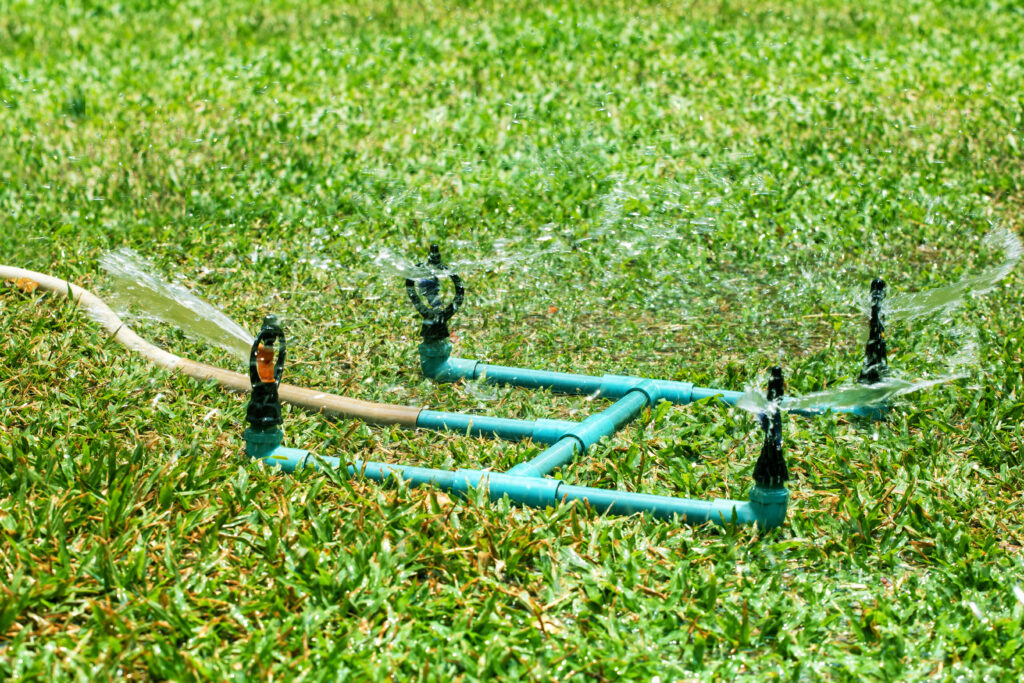
Getting your landscape watering just right in Massachusetts means being precise and following the rules. Smart Irrigation in MA uses weather forecasts, soil moisture sensors, and advanced controllers to automate your watering schedule. This not only saves a significant amount of water – up to 30-50% of outdoor water use – but also keeps your plants healthy and thriving. In this guide, we’ll cover what smart irrigation systems are and why they’re crucial for properties in MA. We’ll also dive into design principles that work with local soils and zoning, explain state backflow prevention requirements, share strategies for setting the best watering times, detail professional installation and maintenance services in Billerica, Burlington, and Lexington, and highlight the environmental and financial perks of using cutting-edge irrigation technology.
What Is a Smart Irrigation System and Why Is It Essential for Massachusetts Properties?
A smart irrigation system uses real-time weather data, soil moisture readings, and plant water needs to automatically water your landscape, cutting down on waste and boosting plant health. By tapping into local climate information and using smart scheduling, these systems adapt to Massachusetts’s unpredictable spring rains and hot summer days, ensuring your lawns and gardens get the exact amount of water they need without you lifting a finger. This smart control is key to conserving water and staying compliant with local regulations, ultimately leading to savings and healthier greenery.
How Do Smart Irrigation Systems Work to Save Water and Improve Plant Health?
Smart irrigation systems combine soil moisture sensors and weather forecasts to automatically adjust watering cycles, preventing overwatering and ensuring your turf and plant beds get just the right amount of hydration.
Before you set up a system, it’s important to know how it works:
- Soil Moisture Monitoring: Sensors measure how much water is in the soil and pause watering once the set levels are reached.
- Weather Integration: Local weather station data and forecast feeds delay watering if it’s raining or humidity is high.
- Automated Valve Control: Controllers precisely turn watering zones on or off, eliminating human error in scheduling.
These parts work together to keep soil moisture at the perfect level, reducing water runoff and encouraging deeper root growth. Choosing the right controllers and sensors is the next crucial step to getting the best performance for MA’s climate.
Which Smart Controllers and Sensors Are Best Suited for MA Climates?
Controllers designed for New England weather often include freeze sensors and connect to local weather stations to prevent watering during frost or heavy rain, ensuring they work reliably all year. Here’s a look at some popular brands and their climate-specific features:
| Controller Brand | Key Feature | Local Advantage |
|---|---|---|
| Rachio 3 Smart Sprinkler Controller | HyperLocal Weather™ | Adjusts watering schedules based on very specific local weather data |
| Hunter Hydrawise | Freeze Sensor Input | Automatically stops watering when temperatures drop below 37 °F |
| Orbit B-Hyve | Soil Moisture Probe Compatibility | Uses direct soil feedback to prevent water waste |
Each controller offers custom algorithms and sensor compatibility that match Massachusetts’s changing seasons. Understanding these differences can lead to significant environmental and cost savings.
What Are the Environmental and Cost Benefits of Smart Irrigation in Massachusetts?
By automating sprinkler run times, smart systems can lower your water bills by up to 30-40% and save thousands of gallons each season, while also reducing the energy needed to run pumps. The main benefits include:
- Water Savings – Precise scheduling stops unnecessary watering and runoff.
- Cost Reduction – Using less water means noticeably lower monthly bills.
- Energy Efficiency – Coordinated pump cycles use less electricity.
- Plant Health – Consistent moisture levels help plants develop deeper roots and look greener.
These advantages show why smart irrigation isn’t just a nice-to-have, but a smart investment for sustainable and cost-effective landscape management in Massachusetts.
How Do You Design an Efficient Smart Irrigation System for MA Homes and Businesses?
Designing an efficient smart irrigation system involves checking your soil types, calculating how much water your plants need, and dividing your landscape into zones based on their watering requirements. This approach optimizes water use. A well-planned design ensures that every lawn and planting bed gets the right amount of water based on its specific needs. This structured method works perfectly with local environmental conditions and hydro-zoning strategies for maximum efficiency.
What Local Factors Affect Irrigation System Design in Massachusetts?
Things like soil composition, the types of plants you have, how reliable your water source is, and local town regulations all play a role in how irrigation systems are designed in MA.
- Soil Type Variability: Sandy soils drain fast, needing more frequent watering, while clay soils hold moisture longer.
- Plant Water Needs: Native shrubs have different water requirements than decorative flower beds.
- Water Supply Constraints: Whether you use well water or municipal water affects water pressure, which impacts how sprinkler heads are spaced and how much water flows.
- Local Regulations: Town permits and rules about connecting water lines can influence where backflow preventers need to be installed.
Taking these factors into account ensures a custom design that saves water and follows local rules, setting the stage for effective hydro-zoning.
How Does Hydro-Zoning Improve Water Efficiency in Smart Irrigation Design?
Hydro-zoning groups areas of your landscape that have similar watering needs—like lawns, flower beds, and shrubs—so each zone gets the right amount of water and is watered with the same frequency. This method:
- Minimizes Overwatering – It stops you from using the same watering schedule for plants with very different needs.
- Enhances Control – You can easily adjust each zone using the smart controller’s app for real-time changes.
- Reduces Waste – It prevents excess water from running off from areas that need a lot of water onto areas that need less.
Using hydro-zoning during the design phase makes the most of your smart system’s ability to adapt and prepares the way for expert installation.
Why Is Professional Irrigation System Design Important for MA Properties?
Professional designers make sure that pipe sizes, sprinkler head placement, and controller programming match Massachusetts’s climate patterns and legal requirements. Their expertise:
- Guarantees Accurate Flow Calculations to meet town water pressure limits.
- Integrates Certified Backflow Preventers according to MassDEP standards.
- Customizes Zoning Layouts based on local soil studies and plant choices.
Relying on skilled technicians helps avoid costly mistakes and unlocks the full potential of smart irrigation technology for New England landscapes.
What Are Massachusetts Backflow Prevention Regulations for Irrigation Systems?
Massachusetts requires backflow preventers on all irrigation connections to protect drinking water supplies from contamination. These regulations, outlined in 310 CMR 22.22, mean property owners must install approved devices and have them tested regularly to ensure public health and compliance. It’s crucial to understand MA’s specific requirements before installing your system.
Massachusetts Department of Environmental Protection Regulations
The Massachusetts Department of Environmental Protection (MassDEP) has specific rules for backflow prevention in irrigation systems to protect public water supplies. These rules require the use of approved devices and regular testing to keep drinking water safe, as detailed in 310 CMR 22.22.
Massachusetts Department of Environmental Protection, 310 CMR 22.22 (Current Regulations)
This reference supports the article’s points about backflow prevention rules and the importance of following MassDEP guidelines.
What Types of Backflow Preventers Are Required for MA Irrigation Systems?
MassDEP approves three main types of backflow preventers for irrigation service lines, each with different functions and testing schedules:
| Preventer Type | Function | Testing Frequency |
|---|---|---|
| Reduced Pressure Backflow Preventer (RPBP) | Two check valves with a port that releases contaminants | Annually |
| Double Check Valve Assembly (DCVA) | Two spring-loaded check valves that stop backflow | Annually |
| Pressure Vacuum Breaker (PVB) | An atmospheric vent that opens when pressure drops | Annually |
Installing the correct device ensures you meet regulations and protect drinking water. Certified testing must follow these schedules to keep the system working properly.
How Often Must Backflow Preventers Be Tested in Massachusetts?
Backflow devices for irrigation systems need to be inspected by certified professionals to confirm that the check valves and seals are working correctly.
- RPBP units must be tested annually by a tester certified by MassDEP.
- DCVA and PVB assemblies also require annual inspections and certification.
Following these testing schedules helps avoid penalties and ensures your irrigation system operates safely and without interruption, which leads directly into why certification is so important.
Why Is Certified Backflow Testing Important for MA Property Compliance?
Certified backflow testing, performed by licensed professionals, confirms that preventers are working correctly under local pressure conditions and fluid dynamics. This service:
- Demonstrates Compliance with 310 CMR 22.22 regulations.
- Protects Public Health by preventing potential contaminants from entering city water lines.
- Helps Avoid Fines and Service Disruptions that can occur from missed or failed inspections.
Ensuring certified testing is key to both following the law and being environmentally responsible for properties in Massachusetts.
How Can You Optimize Watering Windows to Maximize Irrigation Efficiency in Massachusetts?
Watering windows are the best times of day—usually early morning or late evening—when evaporation rates are lowest and plants can absorb water most effectively. Watering during these times saves water and reduces losses from evaporation. Understanding local weather patterns and soil conditions is essential for scheduling your watering during these key periods.
What Are Watering Windows and How Do They Affect Water Use?
Watering windows are specific times of day when watering is most effective for plant absorption and results in the least evaporation.
- Morning Window (4 – 8 AM): Cooler temperatures and less wind allow water to soak deep into the soil.
- Evening Window (6 – 10 PM): Lower heat helps soil retain moisture, but you need to watch for runoff.
Scheduling irrigation during these times can improve overall water efficiency by as much as 20-25%, and smart technology allows for dynamic schedule adjustments.
How Do Smart Irrigation Systems Use Weather and Soil Data to Adjust Watering Schedules?
Smart controllers combine readings from soil moisture sensors on your property with local weather forecast data to fine-tune watering times. When rain sensors detect rain or the forecast predicts it, the system automatically skips watering. Conversely, during heat waves or dry spells, controllers increase watering frequency to keep landscapes healthy. This constant feedback loop ensures watering is perfectly timed for plant needs and weather conditions.
When Is the Best Time to Water Lawns and Gardens in MA for Maximum Efficiency?
In Massachusetts, the ideal watering window is between 5 – 9 AM. This is after the morning dew has dried but before the day’s heat has peaked. Watering during this time:
- Minimizes Evaporation – Cooler air and calm conditions help water stay in the soil.
- Prevents Disease – Foliage drying early reduces the chance of fungal growth.
- Promotes Deep Roots – Consistent soil moisture encourages roots to grow deeper.
Following these timing guidelines within a smart watering schedule makes the best use of resources and helps your lawn stay strong.
What Professional Smart Irrigation Installation and Maintenance Services Are Available in Billerica, Burlington, and Lexington, MA?
Local experts in Billerica, Burlington, and Lexington offer complete smart irrigation services, from the initial design all the way through yearly upkeep. Their thorough approach includes mapping out the system, installing components, programming the controller, and certifying backflow preventers. Understanding the typical installation process shows why professional help is so important.
What Does a Typical Smart Irrigation Installation Process Involve?
A professional installation includes:
- Site Survey – Analyzing the land’s slope, soil types, and plant zones.
- System Layout – Placing sprinkler heads, drip lines, valves, and backflow devices according to the design.
- Controller Setup – Configuring schedules, connecting to local weather stations, and calibrating sensors.
- Commissioning – Performing pressure tests, adjusting sprinkler spray patterns, and checking coverage.
This organized process ensures every part of the system works perfectly in Massachusetts’s environment, leading into regular maintenance practices.
How Does Regular Maintenance Improve System Performance and Longevity?
Ongoing maintenance keeps your smart irrigation system running efficiently by:
- Cleaning Filter Screens and Valves to prevent blockages.
- Checking Sensor Accuracy to maintain correct moisture levels.
- Adjusting Spray Patterns after changes from freezing and thawing or soil settling.
Regular service visits reduce the risk of equipment failure and extend the system’s lifespan, keeping your property ready for seasonal changes.
What Seasonal Services Are Recommended for MA Irrigation Systems?
Massachusetts’s climate requires specific seasonal maintenance:
- Spring Start-Up – Flushing lines, reconnecting controllers to weather data, and testing backflow preventers.
- Summer Tune-Up – Inspecting sprinkler heads for coverage issues, recalibrating moisture sensors, and updating watering schedules.
- Fall Winterization – Blowing out lines to prevent freeze damage, draining low spots, and shutting down controllers.
Performing these services ensures compliance and keeps your smart system ready for year-round operation.
What Are the Key Benefits of Smart Irrigation and Water Conservation for Massachusetts Landscapes?
Smart irrigation makes landscapes more sustainable by combining precise watering with conservation standards approved by EPA WaterSense and MassDEP. Property owners save money while helping the environment, creating vibrant, resilient landscapes that thrive in local weather conditions.
How Much Water and Money Can MA Homeowners Save with Smart Irrigation?
Smart irrigation systems can cut outdoor water use by up to 30-50%, which means saving hundreds of dollars on utility bills each year.
For example, a typical home might save 15,000 – 30,000 gallons per season, lowering costs by 20 – 40%. These measurable results highlight the financial advantages of smart scheduling and efficient equipment.
How Does Smart Irrigation Enhance Plant Health and Landscape Sustainability?
By watering precisely based on real-time soil moisture and weather data, smart systems help plants develop deeper roots, create even turf color, and reduce thatch buildup. Consistent watering helps plants withstand heat waves and droughts, promoting strong growth and reducing disease—all key elements for sustainable landscaping.
What Role Does EPA WaterSense Certification Play in Smart Irrigation Products?
EPA WaterSense certification means that controllers and irrigation parts meet strict standards for water efficiency and reliability. Products with the WaterSense label show:
- Reduced Water Waste through proven algorithms.
- User-Friendly Interfaces for easy programming.
- Independent Testing to confirm durability and accuracy.
WaterSense Program and Water Efficiency
The EPA’s WaterSense program provides a guide for water efficiency, setting standards for products like smart irrigation controllers. WaterSense-labeled products are tested independently to ensure they meet specific performance criteria, helping to reduce water waste and promote smart water use in landscapes.
U.S. Environmental Protection Agency, WaterSense Program (Current Information)
This reference supports the article’s discussion on the benefits of using WaterSense-certified products and their role in promoting water conservation.
How Does Cut Above Landscaping Inc. Serve Local MA Communities with Smart Irrigation Solutions?
Cut Above Landscaping Inc. uses its local knowledge to design, install, and maintain smart irrigation systems throughout Billerica, Burlington, and Lexington, MA. Our full-service approach ensures you meet regulations, maximize water conservation, and get custom solutions tailored to your property’s specific needs. Understanding our services shows the value we bring to Massachusetts landscapes.
What Smart Irrigation Services Does Cut Above Landscaping Offer in Billerica, Burlington, and Lexington?
Our services include:
- Custom System Design that considers soil surveys and hydro-zoning.
- Professional Installation with certified backflow device integration.
- Smart Controller Programming and App Setup for remote control.
- Seasonal Maintenance and Winterization to protect system components.
These complete services allow property owners to enjoy automated irrigation without worrying about the technical details, leading to real-world results.
Are There Local Case Studies Demonstrating Water Savings and System Success?
Several clients in Billerica and Lexington have cut their outdoor water use by about 40% after upgrading to smart irrigation. In one project in Burlington, seasonal water bills dropped by around $300 annually, while the lawn’s condition improved significantly. These data-backed examples reflect our dedication to achieving measurable results and ensuring customer satisfaction.
How Can Homeowners and Businesses Request a Consultation or Quote?
To explore a smart irrigation solution designed just for you, contact Cut Above Landscaping Inc. by phone or email to schedule a free site assessment. Our certified irrigation specialists will evaluate your property, review the necessary regulations, and provide a detailed proposal outlining projected water savings and costs.
Cut Above Landscaping Inc. deep understanding of Massachusetts’s climate, soils, and backflow regulations ensures that every smart irrigation project delivers reliable performance, environmental responsibility, and significant cost savings. Partnering with our experienced team transforms ordinary landscapes into sustainable, water-efficient environments. Get in touch with us today to enjoy healthier plants, lower utility bills, and peace of mind with our custom smart irrigation solutions.